Projects

2026 How to Choose Stainless Steel Buttons?

Choosing Stainless Steel Buttons in 2026 requires more than matching a bright finish with a garment. The right choice must balance appearance, strength, comfort, and production reliability. A button may look flawless in a product photo, yet fail after repeated washing, pressing, or daily friction. Real-world testing matters.

Material selection should begin with the intended use. Grade 304 stainless steel suits many everyday garments and accessories because it offers strong corrosion resistance. Grade 316 may provide better protection in humid, salty, or demanding environments. However, higher performance can increase cost. More expensive is not always better. The decision should follow actual conditions, not marketing language.

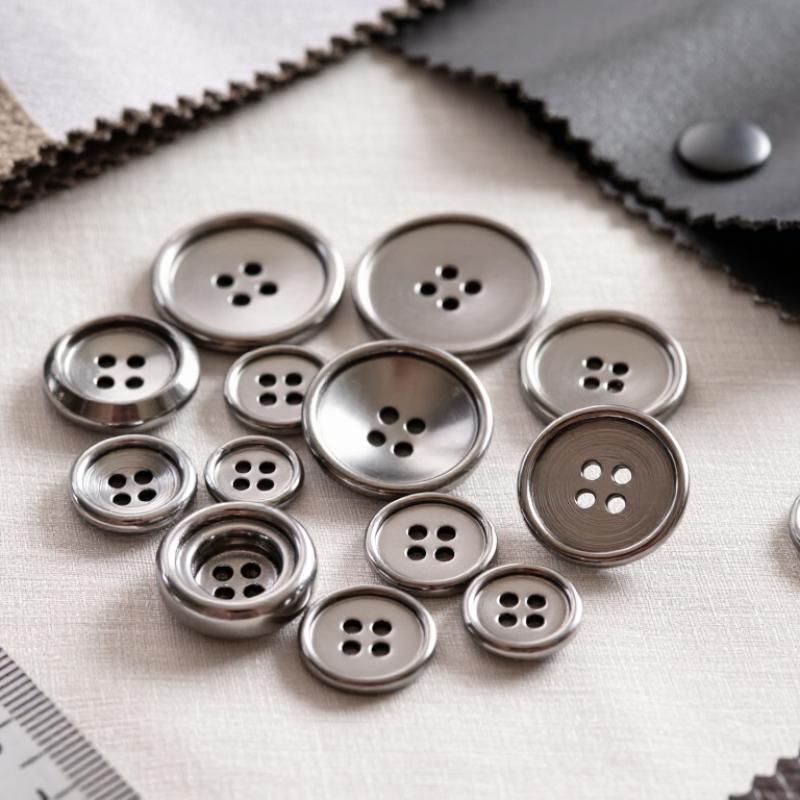
Surface finish also deserves close attention. Polished buttons create a clean, reflective appearance, while brushed finishes hide small scratches more effectively. Edges should feel smooth against skin and fabric. The shank, holes, or fastening system must match the fabric thickness and sewing method. A lightweight shirt needs a different construction from a heavy coat or leather accessory. Ask suppliers for material details, coating information, sample testing, and traceable quality records. Reliable manufacturers should explain their inspection process clearly. In my experience, samples often reveal problems that catalogs conceal. Color can shift under different lighting, and a seemingly secure attachment may loosen during production. Therefore, compare samples after washing, pressing, and repeated handling. No button is perfect. Careful evaluation simply reduces avoidable surprises. This guide explains how to choose Stainless Steel Buttons with practical judgment, verified specifications, and a clearer understanding of long-term value.

2026 How to Choose Stainless Steel Buttons?

What Are Stainless Steel Buttons and Where Are They Used?

Stainless steel buttons are fastening pieces made from stainless steel, either as solid components or formed shells. Their chromium content helps resist rust, moisture, and everyday wear. Some designs use a shank, while others have two or four holes for sewing. They feel cool and solid. Their surfaces may be polished, brushed, matte, or colored with a durable coating.

These buttons appear on denim jackets, workwear, outdoor clothing, uniforms, bags, and fabric furniture. They suit products exposed to frequent washing, sweat, or light rain. In coastal environments, 316 stainless steel can offer better resistance to salt than common 304 steel. However, material grade is only one factor. A strong button can still damage thin fabric if its size or attachment method is unsuitable.

Choose the button after checking fabric weight, washing conditions, and desired appearance. Heavy coats need secure shanks or reinforced backing. Lightweight shirts usually need smaller, lighter buttons. I have seen attractive polished finishes collect fingerprints and small scratches quickly. That detail is easy to overlook. Ask for material documentation and test samples before ordering. Pull tests, wash tests, and color checks can reveal problems that photographs hide. A button may look perfect on a sample but feel uncomfortable against skin. That deserves another fitting test.

2026 How to Choose Stainless Steel Buttons? - What Are Stainless Steel Buttons and Where Are They Used?

Selection Dimension Option or Specification Key Characteristics Common Applications Recommended Choice
Definition Stainless steel button A fastening or decorative button made from corrosion-resistant steel containing at least approximately 10.5% chromium. The chromium forms a passive surface layer that helps protect the metal from corrosion. Garments, uniforms, coats, bags, footwear, upholstery, accessories, and decorative products. Suitable when durability, a metallic appearance, and resistance to moisture are required.
Material Grade 304 stainless steel Common austenitic stainless steel with good corrosion resistance, formability, and weldability. It is generally non-magnetic in the annealed condition, although forming can introduce slight magnetism. Fashion garments, coats, shirts, bags, uniforms, and general indoor or outdoor apparel. Best general-purpose option for most clothing and accessory applications.
Material Grade 316 stainless steel Contains molybdenum, which improves resistance to chlorides and salt-related corrosion compared with 304 stainless steel. It is generally non-magnetic in the annealed condition. Marine clothing, coastal outdoor products, swimwear accessories, medical garments, and products exposed to perspiration or salt air. Choose for higher corrosion resistance in marine, coastal, or chemically demanding environments.
Material Grade 430 stainless steel Ferritic stainless steel with good resistance to atmospheric corrosion and a naturally magnetic structure. It is usually less corrosion-resistant than 304 and 316. Decorative buttons, indoor garments, light-duty uniforms, bags, and applications where magnetic response is useful. Suitable for cost-sensitive indoor use and designs that require a magnetic stainless steel grade.
Corrosion Exposure Indoor and normal daily wear Usually exposed to air, skin contact, occasional washing, and normal humidity. Corrosion requirements are moderate. Shirts, jackets, trousers, handbags, footwear, and everyday accessories. 304 is normally sufficient; 430 may be suitable for indoor, cost-sensitive products.
Corrosion Exposure High humidity, perspiration, or frequent washing Repeated contact with water, detergents, perspiration, and humidity can increase staining or surface corrosion if the grade or finish is unsuitable. Workwear, sportswear, uniforms, children's clothing, and washable bags. Use 304 with a suitable protective finish; consider 316 for severe exposure.
Corrosion Exposure Salt air, seawater, or chloride exposure Chloride ions can cause localized corrosion, especially pitting and crevice corrosion, on less-resistant stainless steel grades. Marine apparel, coastal outdoor products, sailing clothing, and seaside accessories. 316 is the preferred choice; avoid relying on 430 for prolonged chloride exposure.
Magnetism Non-magnetic or low-magnetic requirement Austenitic grades such as 304 and 316 are generally non-magnetic when annealed, but cold working, stamping, or forming may create slight magnetism. Decorative apparel, accessories, garments used near sensitive instruments, and products requiring a low-magnetic response. Select annealed 304 or 316 and confirm the finished button's magnetic behavior by testing.
Magnetism Magnetic requirement Ferritic 430 stainless steel is naturally magnetic. Magnetic response depends on the button's final composition and manufacturing process. Magnetic closures, practical workwear components, and designs requiring magnetic attraction. Use 430 when magnetic performance is required and the environment is not highly corrosive.
Surface Finish Polished or mirror finish Reflective, bright appearance that emphasizes the metallic character of the button. Fingerprints and scratches may be more visible. Fashion coats, formalwear, handbags, footwear, and decorative products. Choose for a bright premium appearance; include careful packaging to reduce scratching.
Surface Finish Brushed or satin finish Fine directional texture with lower reflectivity. It can reduce the visibility of minor fingerprints and surface marks. Workwear, uniforms, casual jackets, bags, furniture textiles, and modern minimalist designs. A practical choice for frequent-use products and understated styling.
Surface Finish Bead-blasted or matte finish Uniform low-gloss appearance created by fine surface texturing. It offers a contemporary look but may require careful cleaning to prevent residue buildup. Outdoor apparel, industrial-style clothing, bags, accessories, and contemporary fashion. Select when glare reduction and a modern matte appearance are important.
Button Construction One-piece metal button Made from a single metal body with no separate decorative shell. It offers a simple structure and a solid visual appearance. Heavy jackets, workwear, uniforms, denim garments, and durable accessories. Best for robust designs where strength and simple maintenance are priorities.
Button Construction Two-piece or multi-piece button Combines a visible face with a separate shank, back, or attachment component. It allows more decorative shapes and styling options. Fashion coats, formalwear, bags, footwear, and decorative garments. Choose when appearance and design flexibility are more important than the simplest construction.
Attachment Method Sew-through button Has two or four holes through the button face. It is attached with thread and is easy to replace or repair. Shirts, knitwear, uniforms, children's clothing, coats, and craft products. Suitable for products requiring easy sewing, replacement, and maintenance.
Attachment Method Shank button Has a loop or shank on the back instead of visible holes on the front. It creates a clean decorative face and provides space beneath the button. Coats, blazers, formalwear, handbags, upholstery, and decorative accessories. Choose for a cleaner front appearance and thicker fabrics.
Attachment Method Snap or press-stud component Uses a male-and-female fastening system that opens and closes by pressing the components together. Installation requires compatible parts and suitable setting equipment. Babywear, sportswear, workwear, jackets, bags, and functional closures. Use when quick opening and closing is more important than traditional button styling.
Size Selection Small button: approximately 8–15 mm diameter Lightweight and visually subtle. It is generally suitable for lighter fabrics and smaller garment areas. Shirts, blouses, cuffs, children's garments, light accessories, and small pockets. Select according to fabric thickness, buttonhole size, and required visual scale.
Size Selection Medium button: approximately 16–25 mm diameter Balances visibility, usability, and fastening strength for many standard garments. Jackets, cardigans, uniforms, medium-weight shirts, and bags. A versatile range for general apparel and accessory applications.
Size Selection Large button: approximately 26 mm diameter or larger Creates a strong decorative effect and may require reinforced fabric, larger buttonholes, and stronger attachment thread. Overcoats, heavy jackets, capes, upholstery, statement fashion, and large bags. Choose for heavy fabrics or visual emphasis; verify weight and attachment strength.
Care and Quality Check Finish, edges, and attachment strength Check for smooth edges, uniform plating or surface texture, secure shanks or holes, consistent dimensions, and absence of sharp burrs. All apparel, accessory, and upholstery applications. Request samples and test abrasion, washing, pull strength, and color or finish stability before production.
Final Selection Rule Match grade, finish, construction, and size to the end use Material grade controls corrosion resistance, the finish controls appearance and surface behavior, construction controls attachment, and size controls usability and visual balance. Any product using stainless steel buttons. For most applications, begin with 304; upgrade to 316 for chloride exposure and select 430 when magnetic response or cost efficiency is prioritized.

Which Stainless Steel Grade Best Fits Your Button Requirements?

Choosing stainless steel buttons in 2026 starts with the environment, not appearance. Grade 304 suits most shirts, uniforms, bags, and indoor accessories. It offers reliable corrosion resistance and a clean, bright surface. In practical sampling, 304 handles regular washing well when the button backs are properly finished. Small scratches still appear. That matters on frequently handled garments.

Grade 316 fits demanding conditions better. Its molybdenum content improves resistance to salt, sweat, chlorine, and humid air. Consider it for swimwear, coastal workwear, outdoor equipment, and premium accessories exposed to perspiration. It costs more, though. For dry indoor products, that extra cost may bring little value. Grade 430 can work for decorative buttons and low-moisture applications. It is magnetic and usually more economical, but it offers less corrosion resistance than 304 or 316. Grade 201 may suit controlled, dry environments, yet its performance can vary with composition and finishing quality.

The steel grade is only one part of button performance. Check thickness, shank design, edge smoothness, surface treatment, and attachment strength. A thin 304 shell may fail sooner than a well-built 430 button. Test samples through laundering, rubbing, sweat exposure, and pull-off checks. Ask for material documentation when consistency matters. Salt-spray results help, but they do not predict every real garment condition. I would avoid choosing from a catalog photograph alone; reflections can hide rough edges, uneven polishing, and tiny pits.

How Do Button Size, Shape, Finish, and Design Affect Selection?

2026 How to Choose Stainless Steel Buttons?

How Do Button Size, Shape, Finish, and Design Affect Selection?

Choosing stainless steel buttons starts with the garment’s function, fabric weight, and visual balance. A large button can support a heavy coat, but it may overwhelm a fine shirt. Small buttons offer a cleaner look and reduce strain on lightweight fabric. Measure the button diameter, thickness, and hole spacing before approving samples. Tiny differences become obvious when several buttons line a placket.

Shape also changes comfort and appearance. Round buttons feel familiar, while square or geometric styles create a sharper, modern impression. Flat profiles suit pressed garments and reduce snagging. Raised profiles add depth, but they can catch on bags or seatbelts. Check the edges by hand. They should feel smooth, not merely look polished.

Finish affects both style and maintenance. Brushed surfaces hide fingerprints and minor scratches better than mirror finishes. Matte surfaces create a softer appearance, while polished surfaces reflect more light. Consider how the finish reacts to washing, friction, and repeated handling.

Design details matter too, including engraving, rim lines, and hole placement. They must remain clear after production, not only on a computer drawing.

I once underestimated how strongly a dark finish changed the garment’s color balance. That mistake taught me to review buttons under daylight, store lighting, and close-up inspection. A sample can look right alone, yet wrong in use. Check again.

What Manufacturing and Attachment Features Should You Check?

Choosing stainless steel buttons in 2026 requires more than checking surface shine. Manufacturing quality affects appearance, strength, and skin comfort. The International Stainless Steel Forum reported global stainless steel production above 58 million tonnes in 2023. This scale does not guarantee good buttons. Ask for the steel grade, preferably 304 for general clothing or 316 for higher moisture exposure. Request certificates for material composition and batch traceability.

Inspect the edges under strong light. Poor stamping can leave burrs that catch fabric or scratch skin. A reliable supplier should explain its deburring, polishing, and passivation processes. Check whether holes are clean and evenly spaced. For shank buttons, examine the weld or formed loop closely. ASTM D4846 provides a useful reference for button attachment pull resistance. However, one laboratory result is not enough. Wash testing should match the garment’s real care conditions. A button that survives a dry pull test may still loosen after repeated laundering.

Tips: Test buttons on the actual fabric, including denim, wool, or lightweight knitwear. Measure pull strength before and after washing. Look for discoloration, edge lifting, and thread damage. Ask for corrosion results when sweat, saltwater, or frequent washing is expected. A reflective finish can mislead. I would also inspect ten pieces from different cartons, not just one sample. Small variation often reveals weak process control. The Apparel Impact Institute’s manufacturing research repeatedly links better process measurement with lower waste, making inspection a practical quality decision, not decoration.

How Can You Compare Durability, Cost, Safety, and Sustainability?

When choosing stainless steel buttons, compare performance rather than surface shine. In garment sampling, I check button edges, holes, and spring movement by hand. A smooth edge protects fabric and reduces skin irritation. Grades such as 304 and 316 can resist moisture, but performance depends on finishing and use. Test samples after washing, sweat exposure, and repeated fastening. A button that survives 5,000 openings deserves more trust than a polished photograph.

Cost needs a wider view. Cheap buttons may require more replacements, extra quality checks, or stronger sewing thread. Ask for unit pricing, tooling charges, packaging costs, and minimum order quantities. Then calculate the cost per finished garment. I once focused too heavily on the purchase price. That decision looked efficient until inconsistent plating caused sorting work. The cheapest option was not cheap.

Safety also deserves documented evidence. Request material declarations and nickel-release test reports when buttons touch skin. Check for sharp edges, loose parts, and secure attachment after laundering. Sustainability is more than recycled content. Consider the button’s service life, repairability, packaging, and production waste. Stainless steel can support long-term use, but recycling claims need clear supplier records. Ask where the metal comes from and how scrap is handled. Some answers may remain incomplete. That uncertainty should affect your supplier score.

2026 How to Choose Stainless Steel Buttons?

Comparing Durability, Cost, Safety, and Sustainability

Stainless steel buttons provide a strong balance of durability, corrosion resistance, apparel-contact safety, and recyclability. Grade 316 generally performs better in saltwater or high-humidity environments, while grade 304 is often the more cost-efficient choice for everyday clothing.

Scores are representative material indices from 0–100 based on typical engineering properties, corrosion behavior, recyclability, and relative material cost. A higher cost-efficiency score means a lower typical material cost. Actual performance depends on alloy grade, surface treatment, manufacturing quality, and applicable product-safety regulations.