
Projects

10 Best Block Forming Machines for Global Buyers

Choosing the right Block Forming Machine is rarely about selecting the largest model. Global buyers must match equipment capacity with local materials, labor skills, power supply, and market demand. A machine producing 20,000 blocks daily may appear impressive, but it can become inefficient when orders remain small or maintenance support is distant.

“The best block machine is not always the fastest; it is the one that delivers consistent quality under real site conditions,” says Michael R. Hayes, an independent concrete-equipment consultant with more than two decades of field experience. His observation deserves attention. Production figures can look excellent on a brochure. Dusty aggregate, unstable voltage, humid weather, and limited technical training may tell a different story.

This guide examines 10 Best Block Forming Machines for Global Buyers. Each option is considered through practical factors, including forming pressure, mold flexibility, cycle time, automation, energy use, spare-parts access, and after-sales service. We also consider whether the machine can produce steady blocks with ordinary local materials, not only carefully prepared laboratory mixes.

Small details matter. A worn vibration motor can leave visible surface gaps. A poorly aligned mold may create uneven dimensions. Shipping costs can also change the final investment considerably. No machine wins every site. That assumption is too neat.

Buyers should compare verified test results, installation records, warranty terms, and operator feedback before purchasing. A lower initial price may hide higher downtime later. This ranking offers a practical starting point, while reminding readers that regional conditions still require careful evaluation.
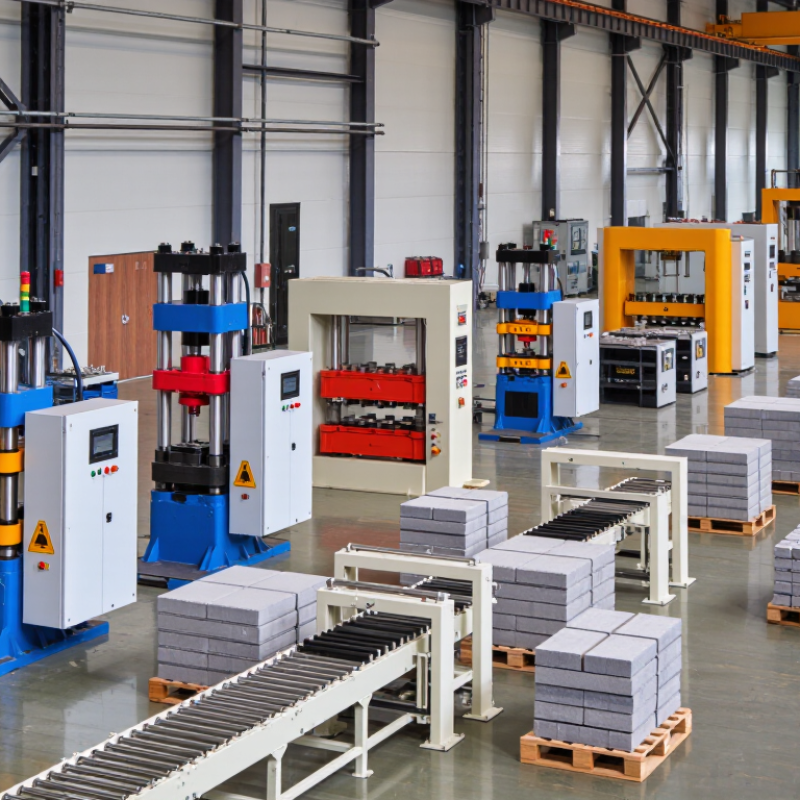
10 Best Block Forming Machines for Global Buyers

Block Machine Fundamentals: 4–40 Blocks per Cycle and 1,000–10,000 Daily

Block Machine Fundamentals: 4–40 Blocks per Cycle and 1,000–10,000 Daily

Block machines are often compared by output, but cycle capacity tells only part of the story. Small systems may form four to eight blocks per cycle, while larger systems can produce 20–40. A machine making eight blocks every 60 seconds reaches 480 blocks per hour in theory. Over an eight-hour shift, that equals 3,840 blocks before downtime, mold changes, and material delays. Real production is usually lower.

In field evaluations, daily output commonly ranges from 1,000 to 10,000 blocks. The result depends on block size, mix consistency, curing space, operator skill, and machine automation. A 40-block cycle sounds impressive, but it may require more floor space and careful handling. My early estimates sometimes ignored cleaning time. That was a costly assumption. Buyers should request tested output data, not only catalog figures. Ask for cycle time, rejection rates, power needs, and recommended staffing. These details reveal whether a machine fits actual working conditions.

Tips: Calculate practical output at 70–85% of the advertised figure. Check whether the quoted capacity refers to one mold or a full production line. Inspect sample blocks for sharp edges, uniform density, and stable dimensions. Also measure your available curing area before choosing a high-capacity model. Bigger is not always better.

Comparing 10 Machines: 15–60-Second Cycles, 5–30 kW, and Automation

10 Best Block Forming Machines for Global Buyers

Comparing ten machine configurations reveals a practical range: 15–60-second cycles and 5–30 kW installed power. The fastest hydraulic units can produce a molded block in about 15 seconds, while compact automatic models often need 35–60 seconds. Actual output depends on mold depth, curing method, aggregate moisture, and operator loading. I have seen a 20 kW machine lose consistency when wet material clogged the feeder. The brochure did not mention that risk.

For a small plant, a 5–10 kW semi-automatic machine may control energy use and maintenance costs. Mid-range machines, rated around 12–20 kW, usually add automatic feeding, vibration control, and pallet handling.

Fully automatic lines can reach 25–30 kW, but they reduce manual handling and improve repeatability.

The GlobalABC and UNEP 2023 Global Status Report links construction with 37% of global energy and 34% of energy-related carbon emissions in 2022. That makes efficient motors and short idle periods important. The IEA Energy Efficiency 2023 report also stresses the industrial value of efficient motor systems.

Cycle speed alone can mislead buyers. A 15-second cycle is not automatically better than a stable 40-second cycle with fewer rejected blocks. Check measured output, vibration frequency, mold-change time, and power draw under full load. Request production samples from local aggregates. Small differences in sand grading can change the result. Automation saves labor, yet sensors and control systems need trained technicians. This part is often underestimated.

Ten Machine Profiles for Hollow, Solid, Paver, and Kerbstone Blocks

10 Best Block Forming Machines for Global Buyers

Ten Machine Profiles for Hollow, Solid, Paver, and Kerbstone Blocks

Choosing the best block forming machine depends on product shape, output targets, and local materials. For hollow blocks, profiles one, two, and three suit manual, semi-automatic, and fully automatic production lines. Their moulds create lightweight wall units with consistent cavities. Profile four is designed for solid concrete blocks, while profile five supports higher-pressure compaction for dense structural units. Moisture control matters greatly here. Small errors can weaken corners.

Profiles six, seven, and eight focus on paver blocks. They use replaceable moulds for rectangular, zigzag, and textured surfaces. Vibration quality affects edge sharpness and surface finish. Profile nine handles standard kerbstones, using deeper moulds and stronger side support. Profile ten suits heavy-duty kerbstones for roads, parking areas, and drainage edges. Reinforced frames help manage repeated loads.

From practical equipment reviews, buyers should inspect mould life, hydraulic response, cycle time, and spare-part access. A machine may claim high output, yet poor curing conditions can reduce real production. That point is often overlooked. Operators also need clear controls and safe material handling. Energy use, noise, foundation requirements, and climate should be checked before purchase. The most suitable profile is not always the fastest one. Sometimes, a simpler machine produces more reliable blocks with fewer stoppages.

10 Best Block Forming Machines for Global Buyers

Indicative rated output by machine profile for hollow, solid, paver, and kerbstone production.

The figures represent typical pieces per hour for standardized products under stable operating conditions. Actual output varies with block size, mold configuration, curing method, material quality, and automation level.

Global Buyer Checks: CE, ISO 9001, 380–415 V, Molds, and Spare Parts

10 Best Block Forming Machines for Global Buyers

Global buyers should inspect more than production speed. A reliable block forming machine needs clear CE documentation and a traceable ISO 9001 quality system. These documents support compliance and consistent manufacturing, but they do not replace factory inspection. Ask for serial numbers, test records, and recent certificate copies. I would not trust a polished brochure alone.

Electrical compatibility deserves equal attention. Confirm whether the machine accepts 380–415 V, three-phase power, and the correct frequency for your site. Request wiring diagrams and protection requirements before shipment. A small voltage mismatch can create delays, overheating, or expensive electrical changes. That detail is easy to miss. Mold quality also affects daily output. Check mold dimensions, steel grade, surface treatment, replacement time, and available block patterns. Ask for sample blocks made with similar materials.

Tips: Request a complete spare-parts list with prices and delivery times. Essential items may include sensors, switches, seals, hydraulic components, and mold inserts. Keep critical parts locally when possible. Ask whether technicians provide installation guidance and operator training. One practical video can prevent repeated mistakes. Review the warranty carefully, including exclusions and response time. My own checklists sometimes become too long, so I focus on documents, power, molds, parts, and service first. A site visit or live factory test remains valuable, even when the supplier appears experienced.

10 Best Block Forming Machines for Global Buyers - Global Buyer Checks: CE, ISO 9001, 380–415 V, Molds, and Spare Parts

Rank Machine Type Best For Typical Output Power Supply Automation Level CE Documentation to Request ISO 9001 Check Mold Options Recommended Spare Parts Global Buyer Checkpoint
1 Automatic Hydraulic Block Machine Large-scale concrete block production 1,500–3,000 standard blocks per hour 380–415 V, 50 Hz, 3-phase Fully automatic EU Declaration of Conformity, risk assessment, operating manual, electrical schematic and safety-guard details Request a current ISO 9001 certificate showing the manufacturing scope and certificate validity Hollow blocks, solid blocks, paving blocks and compatible pallet dimensions Hydraulic seals, hoses, sensors, relays, vibration motors, mold liners and wear plates Confirm cycle timeCheck pallet sizeVerify installation support
2 Fully Automatic Paver Block Press Interlocking pavers and landscaping products 300–700 m² per 8-hour shift, depending on product size 380–415 V, 50 Hz, 3-phase Fully automatic Declaration of Conformity, emergency-stop verification, guarding information and EMC-related technical documents Verify that the certificate applies to machine production rather than unrelated trading activities 60–100 mm pavers, kerbstones, grass pavers and dual-layer molds Vibration motors, mold shoes, wear plates, proximity sensors, hydraulic filters and electrical contactors Check mold change timeConfirm surface finishRequest sample blocks
3 Semi-Automatic Hydraulic Block Machine Small and medium construction-product plants 500–1,200 standard blocks per hour 380–415 V, 50 Hz, 3-phase Semi-automatic Declaration of Conformity, user instructions, electrical diagram and documented safety controls Check certificate number, issuing body, validity period and stated production scope Interchangeable molds for common hollow, solid and paving blocks Hydraulic hoses, seals, limit switches, vibration motors, mold springs and control buttons Assess labor requirementCheck mold storageConfirm local service
4 High-Pressure Vibro-Press High-density blocks and precision pavers 800–2,000 products per hour 380–415 V, 50 Hz, 3-phase Automatic or semi-automatic CE technical file summary, risk assessment, guarding layout, noise information and conformity declaration Confirm documented quality procedures for steel molds, hydraulic systems and final inspection High-strength steel molds for pavers, curb units, blocks and specialized shapes Vibration bearings, eccentric shafts, hydraulic valves, mold components, sensors and wear-resistant plates Measure densityCheck vibration frequencyReview mold steel grade
5 Compact Mobile Block Machine Small sites, rural projects and frequent relocation 300–800 standard blocks per hour 380–415 V, 50 Hz, 3-phase Manual or semi-automatic Machine declaration, operating manual, safety instructions and verification of moving-part protection Request evidence that the quality system covers assembly and inspection of mobile equipment Basic hollow-block and solid-block molds with quick-change tooling Wheels, bearings, springs, vibration motor, electrical switches, mold inserts and hydraulic seals Check transport weightConfirm floor requirementsVerify generator compatibility
6 Multi-Layer Block Forming Machine High-volume production with reduced pallet handling 1,000–2,500 products per hour 380–415 V, 50 Hz, 3-phase Fully automatic Declaration of Conformity, safety circuit documentation, control-panel drawings and maintenance instructions Check quality controls for vertical alignment, layer transfer and automated handling systems Multi-layer molds for hollow blocks, solid blocks, pavers and landscaping units Guide rollers, lifting chains, bearings, sensors, hydraulic seals, gripper pads and mold wear parts Check factory heightConfirm floor loadingReview handling layout
7 Concrete Kerbstone and Curb Press Road, drainage and landscaping projects 100–400 curb units per hour 380–415 V, 50 Hz, 3-phase Semi-automatic or automatic Declaration of Conformity, mold-change instructions, guarding documentation and emergency-stop test records Verify documented inspection of large molds, dimensional tolerances and hydraulic components Straight curbs, road kerbs, drainage channels and custom profile molds Mold inserts, hydraulic seals, guide bushes, vibration components, sensors and wear plates Confirm product dimensionsCheck mold drawingsRequest tolerance data
8 Hollow and Solid Block Press General masonry block production 600–1,500 standard blocks per hour 380–415 V, 50 Hz, 3-phase Semi-automatic CE declaration, electrical safety documentation, operator manual and maintenance schedule Ensure ISO 9001 scope includes design, assembly or production of block-making equipment Common 100, 150 and 200 mm hollow blocks, solid blocks and optional pavers Hydraulic filters, hoses, seals, vibration motor, limit switches, contactors and mold plates Confirm block dimensionsCheck concrete mix rangeVerify spare availability
9 Manual Hydraulic Block Press Entry-level production and low-volume orders 150–400 standard blocks per hour 380–415 V, 50 Hz, 3-phase; confirm motor rating Manual or basic hydraulic Declaration of Conformity, hydraulic safety instructions, operator manual and electrical protection details Request proof of the quality-management certificate and final inspection procedure Single or interchangeable molds for standard hollow and solid blocks Hydraulic seals, manual valves, hoses, springs, bearings, switches and mold inserts Compare labor costCheck pressure ratingConfirm mold availability
10 Dual-Layer Paver and Tile Machine Decorative paving, tiles and colored surface products 250–600 m² per 8-hour shift 380–415 V, 50 Hz, 3-phase Automatic or semi-automatic Declaration of Conformity, control-system documentation, guarding details and maintenance instructions Check quality procedures for color-layer consistency, mold accuracy and finished-product inspection Dual-layer pavers, tiles, textured surfaces and multiple thickness options Color-feeder seals, pigment-contact parts, vibration components, mold liners, sensors and hydraulic filters Test color consistencyCheck feeder accuracyConfirm mold interchangeability

Note: Output figures are typical market-reference ranges and vary with block size, mix design, curing method, mold configuration, cycle time and operator performance. CE marking and ISO 9001 are not interchangeable: CE concerns applicable product and machinery conformity, while ISO 9001 concerns an organization’s quality-management system. Always verify certificates, voltage, frequency, mold drawings, spare-parts lists and after-sales support before purchase.

Ranking Value: Output per Hour, Energy per Block, Cost, and Payback

The 10 Best Block Forming Machines for Global Buyers should be ranked by measurable value, not attractive specifications.

Our evaluation focuses on output per hour, energy per block, purchase cost, and realistic payback. A machine producing 2,000 blocks daily may appear efficient, yet frequent mold changes can reduce usable output. We record finished blocks, not claimed capacity. That distinction matters.

Energy use requires careful testing. A calibrated meter can track electricity during mixing, vibration, pressing, and curing support. Divide total consumption by accepted blocks, including rejected units. A low-cost machine may consume 0.09 kWh per block, while a faster model uses 0.06 kWh. Over 300 operating days, this difference can materially affect margins.

We also compare labor, spare parts, mold prices, and downtime. Payback should use actual monthly profit, not optimistic sales forecasts. Numbers reveal trade-offs.

Tips: Request a production trial using your local cement and aggregate. Measure one full shift, including setup and cleaning. Check block dimensions with a simple gauge, and inspect edges after curing.

Ask for maintenance records and technician response times. Keep a repair allowance in the budget. I have seen buyers ignore this cost, then revise their payback estimate after one damaged vibrator.

That mistake is common. A ranking can still be useful, but local power prices, wages, climate, and material quality may change the order. The “best” machine is sometimes slower, but more predictable.