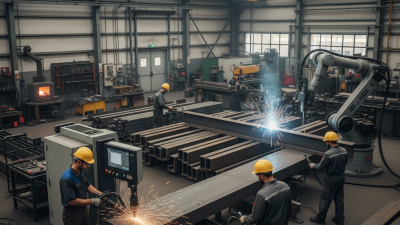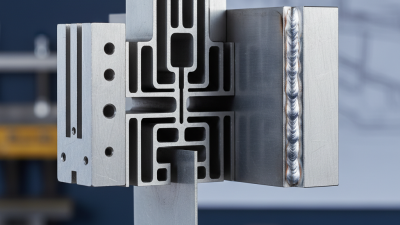
Choosing the right custom stainless steel fabrication for your project can be challenging. The process is not as straightforward as it seems. There are many factors to consider, including the specific requirements of your project.
Quality matters significantly in custom stainless steel fabrication. The right material and manufacturing techniques can make or break your project. It's essential to research potential fabricators and their portfolios. Look for examples that match your needs. Communication with the fabricators is crucial. Discuss your vision clearly to ensure they understand your expectations.
However, the decision-making process can lead to doubts. You may worry about cost, quality, and timeframes. Remember, cheap options may compromise quality. Always weigh the benefits against the potential risks. Taking time to reflect on these aspects can ultimately lead to a better project outcome.
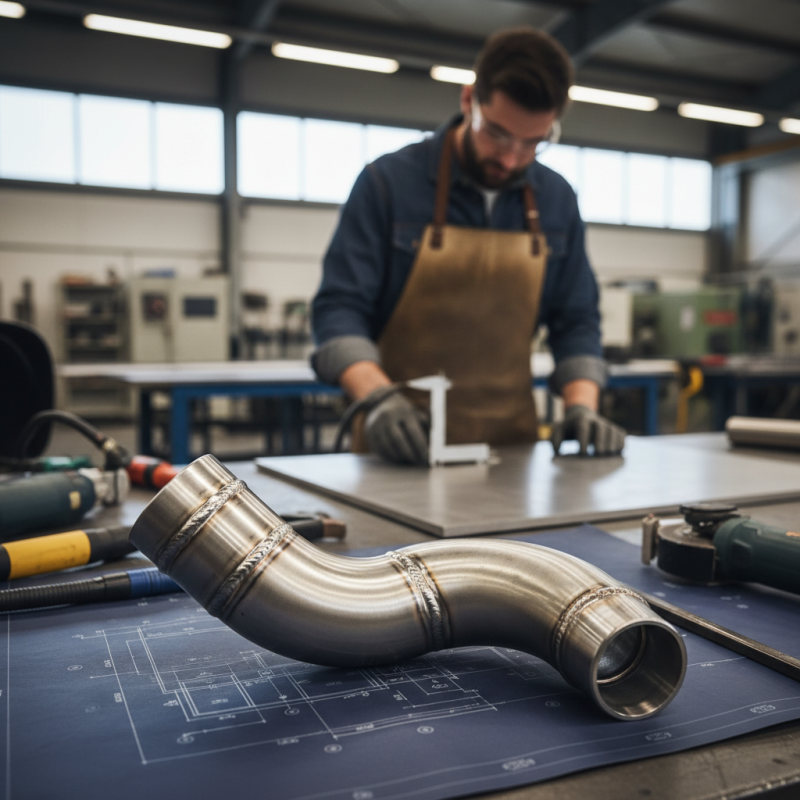
When considering stainless steel fabrication for your project, start with clear requirements. Understand your project's purpose and how the final product will be used. Is it for outdoor use? Will it be exposed to chemicals or extreme temperatures? These factors significantly influence your design choices and material selection.
Establish the specific dimensions and tolerances needed. Accurate measurements are essential. If you're unsure, it's better to overestimate rather than underestimate. Preparing detailed drawings can help communicate your vision to fabricators. Flexibility in design can lead to creative solutions. Sometimes, it's beneficial to invite suggestions from experts.
Don't forget to assess your budget and timeline. Steel options vary widely in cost, depending on design complexity. Delays can happen. Set realistic expectations. Be prepared to reconsider certain aspects if challenges arise. Small adjustments can improve functionality and aesthetics. Always keep the end goal in mind, and revisit your initial ideas as the project develops.
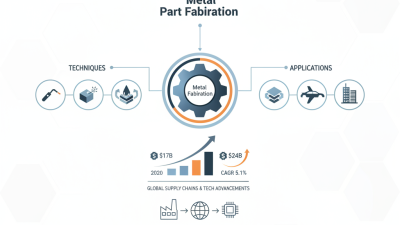
When selecting custom stainless steel fabrication techniques, it's essential to consider the specific applications. Welding and machining are two common methods. Welding allows for strong, durable connections. In contrast, machining offers precise dimensions and finishes. According to industry reports, nearly 47% of manufacturers prefer machining for complex components due to its accuracy.
Laser cutting is another popular approach. It provides clean edges and minimizes material waste. Data shows that laser cutting can achieve precision levels of up to 0.1 mm. This technique is ideal for intricate designs and is favored in industries like aerospace and automotive. However, costs can escalate quickly with this method, potentially impacting project budgets.
It's important to remember that each fabrication technique has pros and cons. For example, while welding is excellent for strong bonds, it may not suit designs requiring fine detail. The choice of technique should align with project requirements and budget constraints. A thorough evaluation of available methods will lead to a better decision. Balancing cost, precision, and application needs is crucial for optimal outcomes.
| Fabrication Technique | Description | Applications | Advantages | Limitations |
|---|---|---|---|---|
| Laser Cutting | Utilizes a focused beam of light to cut through metal materials. | Automotive parts, architectural features, custom signage. | High precision, minimal material waste, can cut complex shapes. | Initial setup and equipment costs can be high. |
| CNC Machining | Uses computer-controlled tools to remove material and create parts. | Aerospace components, medical devices, precision engineering. | Excellent for tight tolerances and complex geometries. | Long lead times for custom designs, requires skilled operators. |
| Metal Stamping | Involves using a die to shape metal into desired forms. | Electronic housings, automotive parts, consumer products. | High-volume production, consistent quality. | Not cost-effective for small runs, setup times can be lengthy. |
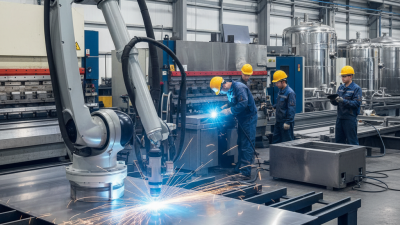
| Welding | Joins metals together using high temperatures to melt edges. | Structural frames, tank construction, art installations. | Strong joints, flexible for various shapes and sizes. | Requires skilled labor, potential for warping with heat. |
| Bending | Uses force to reshape metal without cutting it. | Frames, brackets, and enclosures. | Efficient for complex shapes, no material loss. | Limited to certain thicknesses, can lead to stress cracks. |
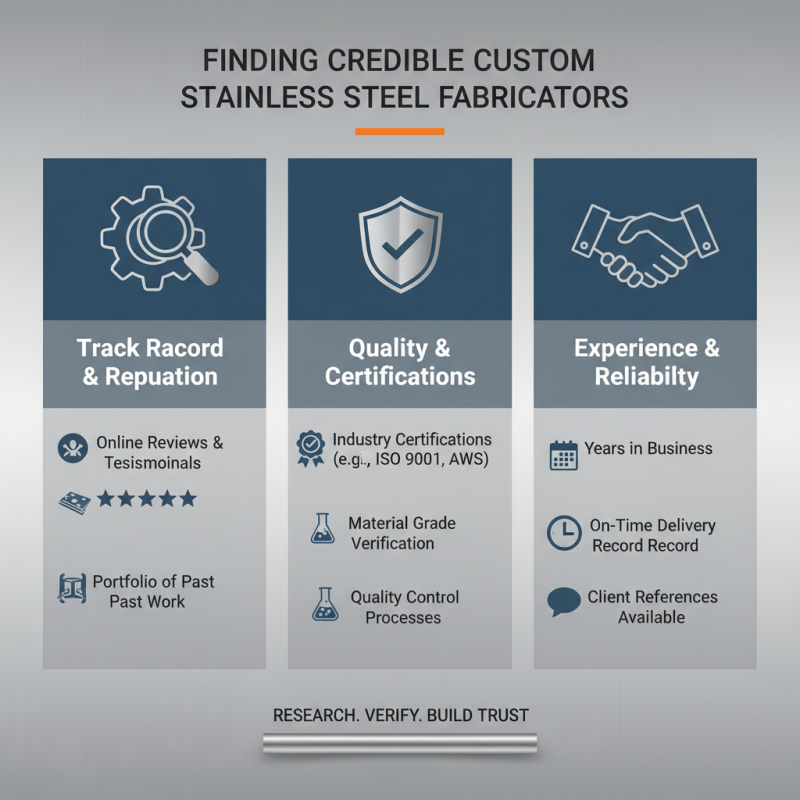
When researching custom stainless steel fabrication companies, credibility is vital. Look for companies with a good track record. Online reviews can guide your decision. A strong reputation often reflects the quality of their work. Check for any industry certifications. These can indicate a commitment to excellence.
Contact previous clients for their experiences. Ask about project timelines and communication. Did the company meet deadlines? Were they responsive to concerns? This insight can reveal much about their reliability. Visit their facilities if possible. Seeing their equipment and processes can give you confidence.
Having a shortlist is helpful, but don’t rush. Ensure their capabilities align with your project needs. Ask for detailed quotes and timelines. Sometimes, the lowest price comes with hidden costs. Transparency is crucial in custom fabrication. Reflect on what aspects are most important to you. Quality, speed, and cost should guide your choice.
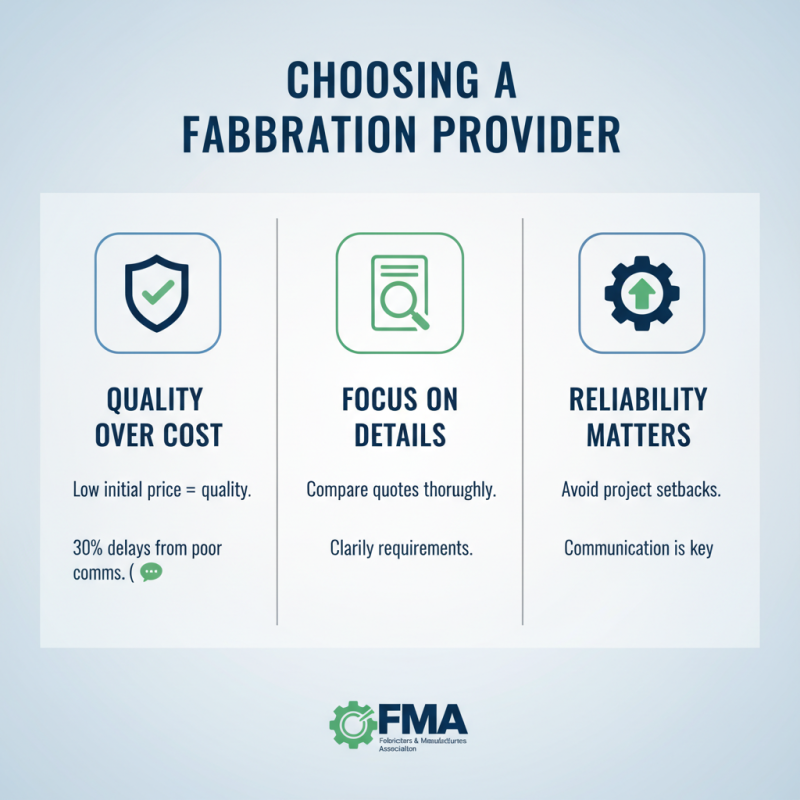
Choosing the right fabrication provider is crucial. When comparing quotes, focus on the details that matter. Many providers might offer initial low prices but fail to deliver quality. According to the Fabricators and Manufacturers Association, 30% of projects face delays due to poor communication and unclear requirements.
Gather at least three quotes before making a decision. Look beyond the price to evaluate services. Check if the provider offers tailored solutions for your specific needs. A study by the National Association of Manufacturers shows that custom projects require more than just basic fabrication; they require expertise and attention to detail.
Misunderstandings can lead to costly mistakes. Technical specs should be communicated clearly. Ask for references and past project examples. How often do reviews highlight delays or miscommunications? Relying solely on cost can compromise quality. Balancing price with service quality is key in stainless steel fabrication projects.
Choosing the right custom stainless steel fabrication requires careful attention to quality control and material standards. These factors directly impact the durability of the final product. In a 2022 industry report, it was noted that 45% of fabrication failures stemmed from poor material selection and inadequate quality assessments. This underlines the importance of thorough evaluations before initiating any project.
Quality control measures should not be an afterthought. An effective fabrication process incorporates multiple checkpoints. Regular inspections and tests can dramatically reduce defects. The American Society for Testing and Materials (ASTM) offers guidelines that many fabricators may overlook. For example, not adhering to ASTM standards can lead to subpar outcomes. Often, fabricators may cut corners for cost-efficiency, sacrificing material integrity.
Material selection plays a significant role in achieving desired outcomes. Stainless steel types such as 304 and 316 have distinct properties. For marine applications, 316 is preferable due to its corrosion resistance. Yet, some fabricators may use 304 as a cheaper alternative, risking the longevity of the finished product. Keeping quality control at the forefront and understanding materials can ensure better project results.