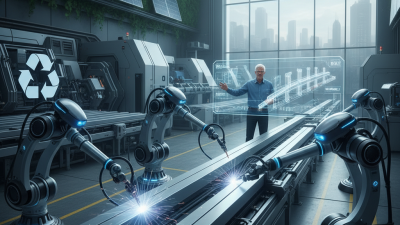
Why Choose Online Steel Fabrication for Your Next Project?
In the rapidly evolving world of construction, online steel fabrication is reshaping how projects are executed. Recent industry reports highlight that 60% of contractors are now opting for digital solutions, enabling them to streamline processes and cut costs. The convenience of online steel fabrication allows teams to manage projects from anywhere, saving both time and effort.
Nevertheless, the transition to online platforms is not without challenges. Some traditional fabricators may struggle with the technology, impacting quality and delivery times. It is essential to assess potential suppliers carefully. A thorough review of online steel fabrication services is crucial for ensuring reliability and quality.
Research by the Steel Construction Institute indicates that well-implemented online fabrication can reduce lead times by up to 30%. While the benefits are clear, caution is advised. Projects must prioritize experienced providers who comply with industry standards. Choosing the right online steel fabrication partner can result in significant enhancements in efficiency and reliability for your next project.
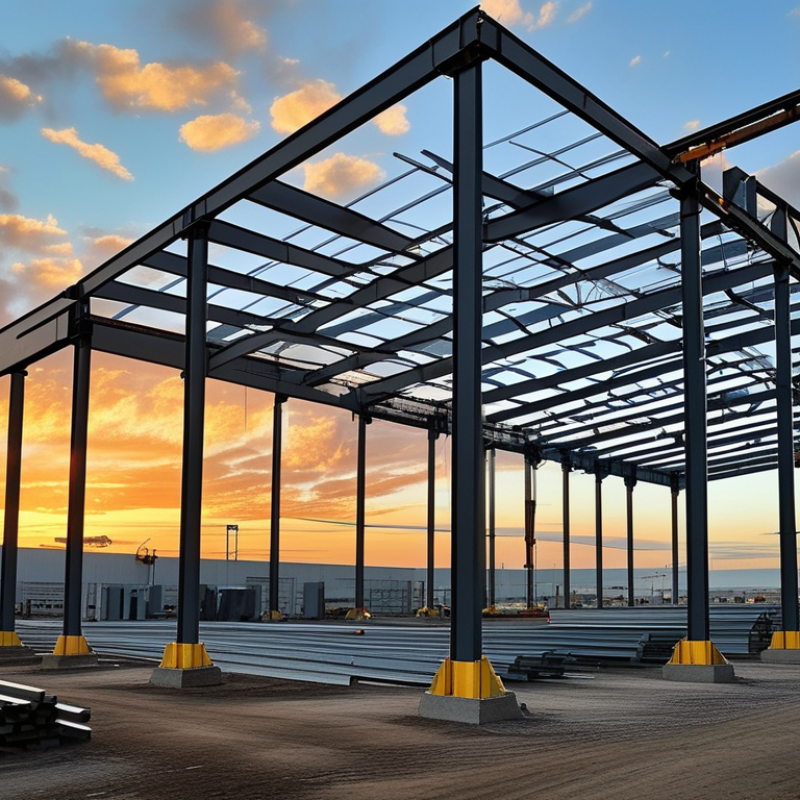
Benefits of Online Steel Fabrication for Modern Projects
Online steel fabrication is revolutionizing modern projects with its unique benefits. One significant advantage is efficiency. Research shows that projects utilizing online fabrication can reduce lead times by up to 50%. This fast turnaround is crucial in a competitive market where delays can escalate costs and impact client satisfaction. The ease of ordering custom designs online allows for quick adjustments and iterations, accommodating changes without the hassle of traditional methods.
Cost-effectiveness also stands out. A study from the American Institute of Steel Construction (AISC) indicates that online services can cut fabrication costs by approximately 20%. This reduction comes from less waste and optimized processes. Furthermore, the online environment reduces the need for physical site visits, saving both time and resources. Yet, challenges persist. Some clients may find it difficult to navigate complex online platforms, which could lead to misunderstandings in project specifications. Therefore, better tools and clearer instructions are needed.
Another benefit is the increased accessibility of materials. Online fabrication platforms often feature extensive inventories, making it easier for professionals to find specific steel grades and dimensions. However, reliance on online tools requires a shift in skill for many craftsmen. Some may not yet be comfortable with digital platforms, highlighting a need for training and support. Balancing innovation with traditional knowledge is essential for maximizing the benefits of online steel fabrication.
Understanding the Process of Online Steel Fabrication
Online steel fabrication has gained popularity due to its efficient and streamlined process. Understanding how this method works is vital for any project. The process usually starts with the design phase. Clients submit their specifications, often using CAD software. This digital approach saves time and minimizes errors. Once the design is approved, the fabrication begins. Advanced machinery cuts, shapes, and welds metal to create the required components.
Choosing the right materials is essential. Always consider durability and suitability for your specific needs. Steel grades vary significantly, and an improper choice can lead to structural issues later on. Ensure to communicate your requirements clearly with the fabricator. Clarity here reduces misunderstandings and revisions.
Details matter in fabrication. Each component needs to meet precise dimensions. If tolerances are not specified, the final product may not fit properly. This oversight can cause delays and additional costs. Therefore, double-check all specifications before finalizing your order. Online platforms can simplify the purchasing process, but attention to detail is crucial for success.
Steel Fabrication Project Costs Comparison
This chart illustrates the cost breakdown for a typical online steel fabrication project. Material costs represent the highest expenditure, followed by labor costs. Understanding these factors can help in budgeting for your next project.
Cost-Effectiveness of Online Steel Fabrication Solutions
Online steel fabrication has emerged as a game changer in the construction industry. Many businesses now favor online solutions for their projects. The cost-effectiveness of these services is particularly noteworthy, often leading to significant savings. A recent industry report suggests that companies can save up to 30% when opting for online steel fabrication compared to traditional methods.
The reduction in overhead costs plays a significant role. Online manufacturers can operate with lower expenses because of streamlined processes. They achieve this through automation and on-demand production. According to a study by the Fabricators and Manufacturers Association, the average cost per fabricator has decreased by nearly 20% over the last five years, showcasing the efficiency of online operations. This shift not only improves the overall financial health of businesses but also allows for competitive pricing in the market.
However, it is important to consider potential downsides. The online approach may lead to misunderstandings regarding specifications. Additionally, ongoing reliance on technology can create challenges. Instances of equipment failures or software glitches, although rare, can disrupt schedules. Businesses should weigh these factors carefully while exploring the advantages of online steel fabrication.
Why Choose Online Steel Fabrication for Your Next Project? - Cost-Effectiveness of Online Steel Fabrication Solutions
| Dimension |
Traditional Fabrication Cost |
Online Fabrication Cost |
Savings (%) |
| Steel Beam (10 ft) |
$150 |
$120 |
20% |
| Steel Plate (4x8 ft) |
$200 |
$160 |
20% |
| Channel Steel (12 ft) |
$180 |
$145 |
19.44% |
| Steel Tube (6 ft) |
$120 |
$95 |
20.83% |
| Reinforced Steel Bar (20 ft) |
$220 |
$180 |
18.18% |
Customizability and Flexibility in Online Steel Fabrication
Online steel fabrication offers significant advantages, particularly in terms of customizability and flexibility. Businesses can easily design components tailored to specific project requirements. This customization scope can range from the size and shape to the material properties, allowing for unique solutions that meet precise specifications. Each element can be modified, from weld types to finish options, ensuring that every detail aligns with the project vision.
Flexibility in online steel fabrication means that adjustments can be made quickly. If a design needs a change, it can be updated in real-time. This responsiveness helps mitigate risks associated with delays. Additionally, the online platform often provides instant feedback on feasibility and costs, streamlining the decision-making process. However, this rapid pace can sometimes lead to oversights in final reviews, emphasizing the need for careful planning.
Moreover, the interaction between customizability and flexibility can sometimes create tensions. Balancing unique designs with production capabilities is crucial. If a design is too intricate, it may challenge manufacturing limits. This calls for an ongoing dialogue between designers and fabricators, ensuring that creativity does not compromise practicality. The key is to harness the advantages of technology while maintaining a clear focus on achievable goals.
Comparative Analysis: Online vs. Traditional Steel Fabrication Methods
The rise of online steel fabrication presents a shift in how projects are managed. Online methods often streamline the ordering process, allowing for faster turnaround times. According to a recent industry report, businesses utilizing online fabrication services have seen a reduction in lead times by up to 30%. This is a significant advantage for projects needing quick completion.
However, traditional fabrication still offers benefits. The personal touch in communication can lead to tailored solutions. In some cases, having a physical meeting can clarify complex requirements. A survey revealed that 45% of industry professionals still prefer face-to-face interactions for high-stakes projects. Balancing these methods may yield the best results, ensuring quality and efficiency.
Cost-effectiveness is another factor to consider. Online services often provide competitive pricing due to lower overhead costs. However, hidden fees can sometimes arise, leading to unexpected expenses. It's important to review fine print thoroughly before committing. This reflects the evolving landscape of steel fabrication, where adaptability is crucial.