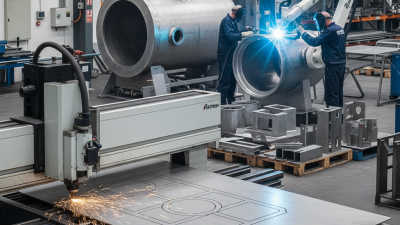
Choosing the right stainless fabrication supplier can shape your project’s safety, appearance, and long-term cost. The decision deserves more than a quick price comparison.
An experienced supplier should understand stainless steel grades, welding methods, surface finishes, and dimensional tolerances. Ask how the team prevents contamination between carbon steel and stainless materials. Small details matter. A clean workshop, labeled stock, and protected finished surfaces often reveal stronger process control. Request sample parts, inspection records, material certificates, and clear answers about production capacity. Reliable suppliers explain limitations before accepting an order.
Practical experience also matters during design review. A skilled fabricator may identify an unnecessary weld, difficult bend, or weak connection before production begins. That advice can prevent expensive rework. Check whether the supplier has completed similar projects, especially those involving your required thickness, finish, and operating environment. References from comparable customers provide useful evidence, but they are not perfect proof. Verify the details independently.
A polished website is not enough. Neither is the lowest quotation. Some suppliers communicate well at the beginning, then struggle with updates or delivery commitments. Discuss lead times, quality checks, packaging, and corrective actions in writing. Visit the facility when possible. Look closely at welding areas, measuring equipment, and finished components. No supplier is flawless, and every project includes uncertainty. The strongest partner acknowledges it, manages it, and builds trust through consistent evidence.
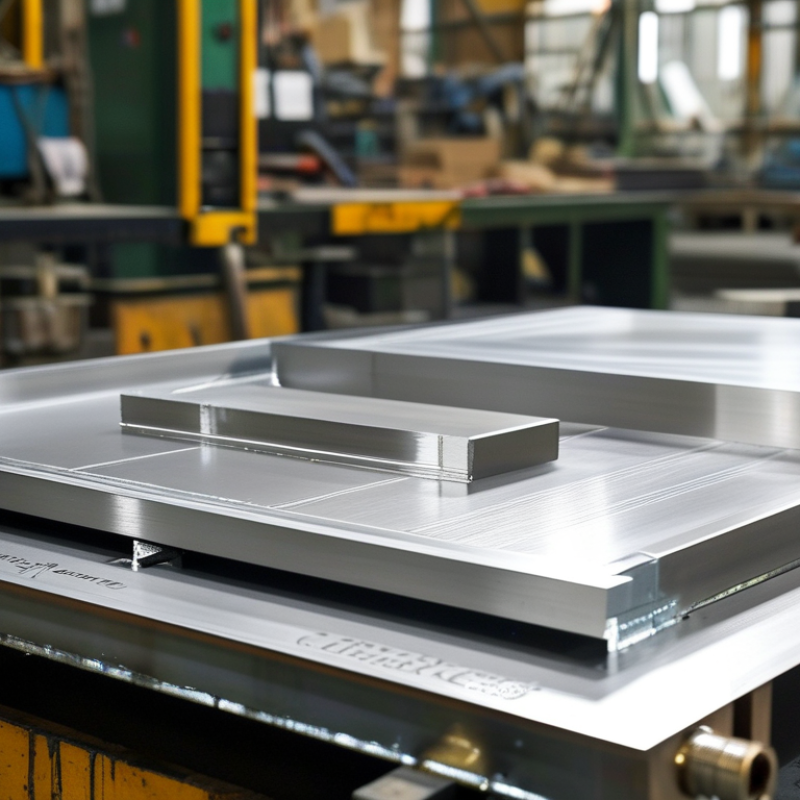
Define your stainless fabrication requirements before comparing suppliers. A clear specification prevents costly assumptions. State the service environment, operating temperature, dimensions, quantity, and delivery schedule. Identify the required grade, such as 304 or 316, rather than writing only “stainless steel.” Salt exposure, chemicals, and frequent cleaning may require different corrosion resistance.
Surface finish matters too. Specify a finish range, weld appearance, edge condition, flatness, and dimensional tolerances. Include drawings, 3D files, or marked-up samples when possible. The International Stainless Steel Forum reported global stainless crude steel production at about 58.4 million tonnes in 2023. That scale reflects a diverse market, but it does not make every grade interchangeable. Small material differences can affect service life.
Do not overlook documentation. Request material certificates, weld procedures, inspection records, and traceability requirements before production begins. The NACE IMPACT study estimated global corrosion costs at approximately 3.4% of worldwide GDP. Appropriate material selection can reduce avoidable maintenance, although it cannot correct poor design or fabrication. A recurring workshop mistake is specifying a polished surface without defining its visual acceptance standard. It looks precise. It is not. Ask how the supplier measures roughness, weld discoloration, and scratches. Then review one sample part under realistic lighting. Requirements often change after that review, and admitting this early is better than defending an unclear specification later.
How to Choose the Right Stainless Fabrication Supplier?
A supplier’s experience should appear in its work, not only in its sales materials. Ask how long the team has handled stainless steel projects similar to yours. Request examples involving comparable thicknesses, tolerances, finishes, and production volumes. Experienced fabricators can explain how heat affects distortion, why weld discoloration matters, and when surface protection should be applied. Their answers should be practical and specific.
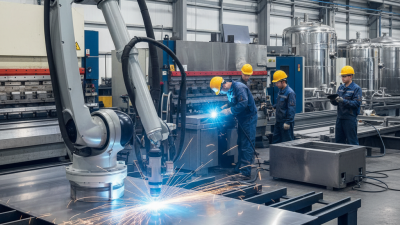
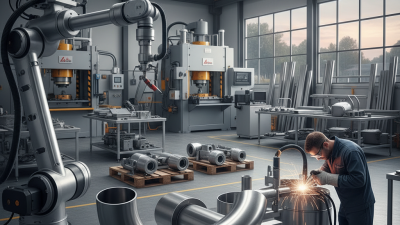
Capabilities deserve a close review. Check whether the facility controls cutting, forming, welding, polishing, inspection, and packaging in-house. Ask to see equipment records, weld procedure qualifications, inspection reports, and material traceability documents. A small sample can reveal a great deal. Examine its edge quality, bend accuracy, weld consistency, and surface finish under clear light. Site visits help, although a tidy workshop does not guarantee reliable output.
Certifications support trust, but they should match the project. An ISO 9001 quality system may show controlled processes, while material certificates confirm grade and heat information. Relevant welding qualifications and inspection credentials can provide deeper assurance. Verify certificate numbers, issuing bodies, scope, and expiration dates. A certificate alone is not proof. I have seen impressive documentation fail to answer simple questions about rejected parts or corrective action. That weakness deserves attention. Suppliers should explain problems openly, record lessons learned, and show how controls changed afterward. Reliability grows through evidence, repeatable processes, and honest conversations.
| Evaluation Dimension | Verification Point | Weight | Supplier Profile A | Supplier Profile B | Supplier Profile C | Supplier Profile D |
|---|---|---|---|---|---|---|
| Industry Experience | Years of stainless steel fabrication experience | 10% | 18 years | 11 years | 7 years | 22 years |
| Relevant Project Experience | Completed stainless projects with similar material grades, tolerances, and end-use requirements | 12% | 35 projects | 21 projects | 12 projects | 46 projects |
| Material Range | Supported stainless grades, including 304/304L, 316/316L, and duplex grades | 8% | 304/304L, 316/316L, 321, 2205 | 304/304L, 316/316L | 304/304L, 316/316L, 430 | 304/304L, 316/316L, 321, 904L, 2205 |
| Fabrication Capacity | Maximum practical workpiece size and thickness capability | 10% | 12 m × 3 m; up to 25 mm | 8 m × 2.5 m; up to 16 mm | 6 m × 2 m; up to 12 mm | 15 m × 4 m; up to 40 mm |
| Cutting and Forming | Availability of laser cutting, CNC bending, rolling, and precision forming | 8% | Laser, plasma, CNC press brake, rolling | Fiber laser, CNC press brake | Plasma, saw cutting, manual forming | Laser, waterjet, CNC forming, rolling |
| Welding Capability | Qualified GTAW/TIG, GMAW/MIG, FCAW, or orbital welding processes | 12% | TIG, MIG, FCAW, orbital; qualified procedures | TIG and MIG; qualified procedures | TIG and MIG; limited procedure range | TIG, MIG, FCAW, orbital; qualified procedures |
| Welding Quality Control | Welder qualifications, WPS/PQR control, traceability, and inspection records | 10% | Documented and regularly audited | Documented; customer audit available | Basic records; partial traceability | Documented with full heat-number traceability |
| Surface Finishing | Available finishes such as pickling, passivation, brushing, and electropolishing | 7% | Pickling, passivation, brushing, electropolishing | Passivation and brushing | Brushing and mechanical polishing | All listed processes with inspection reports |
| Quality Certification | Current third-party quality management certification | 8% | ISO 9001:2015 | ISO 9001:2015 | Internal quality system | ISO 9001:2015 |
| Safety and Environmental Systems | Relevant occupational health, safety, and environmental management certifications | 5% | ISO 14001 and ISO 45001 | ISO 45001 | Legal compliance records | ISO 14001 and ISO 45001 |
| Inspection and Testing | Dimensional inspection, PMI, NDT, pressure testing, and material certificates | 8% | CMM, PMI, dye penetrant, hydrotest | Dimensional inspection, PMI, hydrotest | Basic dimensional inspection | CMM, PMI, RT/UT coordination, pressure testing |
| Production Lead Time | Typical lead time for a medium-complexity fabricated assembly | 5% | 4–6 weeks | 5–7 weeks | 3–5 weeks | 6–9 weeks |
| Documentation and Traceability | Material certificates, inspection reports, weld maps, drawings, and revision control | 5% | Complete manufacturing record book | Standard inspection dossier | Basic certificates on request | Complete dossier with digital revision control |
| Overall Weighted Evaluation Score | 100% | 86 / 100 | 78 / 100 | 63 / 100 | 91 / 100 | |
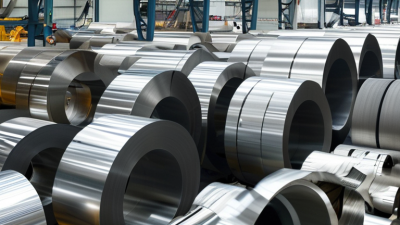
Choosing a stainless fabrication supplier starts with the material certificate, not the showroom. Ask for heat numbers, grade verification, and traceability from coil or plate to the finished part. World Stainless reported roughly 58.4 million tonnes of crude stainless steel production in 2023. That scale hides variation. Chemistry, surface condition, and thickness tolerance still depend on the mill and batch. A supplier should explain whether 304, 316L, duplex, or another grade suits your service environment. “We use stainless” is not technical evidence.
Quality controls should be visible on the shop floor. Look for calibrated gauges, qualified weld procedures, inspection checkpoints, and documented nonconformance handling. The ISO Survey 2022 recorded more than 1.26 million ISO 9001 certificates worldwide. Certification helps, but it does not prove every weld is sound. Request sample inspection records, passivation details, and surface-finish measurements. For critical assemblies, independent testing may include dye penetrant, radiography, or positive material identification. Small details matter.
Production standards reveal whether promises survive pressure. Check capacity, forming tolerances, lead-time records, nesting practices, and packaging controls. Ask how the supplier prevents carbon-steel contamination near stainless work. That question often exposes weak housekeeping. ISO 3834 can strengthen confidence in fusion-welding controls, while project specifications may require ASTM or EN compliance. I would still audit a sample part. Paperwork can look perfect; a sharp edge, heat tint, or warped flange may tell another story. Ask what happens when the supplier makes a mistake.
Choosing a stainless fabrication supplier starts with comparable pricing, not the lowest quote. Request the same material grade, thickness, finish, tolerances, inspection documents, packaging, and freight terms. A cheaper bid may exclude welding tests or surface protection. I once accepted a low estimate and later paid for revised drawings. That mistake was avoidable.
Lead time needs evidence. The Institute for Supply Management reported a Manufacturing PMI of 46.5 in October 2024, while supplier deliveries reached 52.0. This suggests industrial pressure and possible scheduling risk. Ask for capacity by process, material availability, production milestones, and a recovery plan.
“Four weeks” means little without shipment dates. Add a small buffer. Perhaps more than you expect.
Communication deserves its own comparison. The World Bank’s 2023 Logistics Performance Index assessed 139 countries across logistics factors, including tracking and timeliness. Use that logic with fabricators. Can they provide heat numbers, photo updates, inspection records, and prompt answers?
Set one contact, a response window, and a weekly update format. Test communication before placing the order. Send a drawing question and measure the reply. A polished proposal is not proof of reliable execution.
Sometimes the most honest answer is, “We need to verify that.”
Choosing the right stainless fabrication supplier requires evidence beyond a polished website. In my project experience, references, samples, and after-sales support reveal more than sales presentations.
World Stainless reported 58.4 million tonnes of crude stainless steel production in 2023. This scale shows how varied global supply can be. Ask for references involving similar grades, tolerances, welds, and delivery pressures. Contact those customers directly. Were dimensions consistent after repeated production? Did the supplier respond when defects appeared?
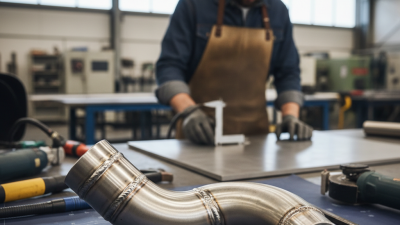
Request a sample made through the proposed process, not a hand-finished showroom piece. Check weld penetration, surface uniformity, edge treatment, and material certificates. A beautiful sample can still hide weak process control. I have learned this the hard way.
Tips: Require at least two relevant references. Compare sample measurements with your drawings. Confirm response times, replacement procedures, and documentation ownership. Keep every promise in writing.
Long-term support matters because stainless projects rarely end at shipment. The supplier should provide traceability, maintenance guidance, and practical troubleshooting. ISO 9001:2015 emphasizes controlled processes, documented information, and continual improvement. Ask how these controls work on the shop floor. A useful answer includes inspection records, corrective-action examples, and named technical contacts. Some suppliers may offer excellent fabrication but weak communication. That risk deserves equal attention.