Top RO Water Machine Plant Manufacturers Worldwide?
Choosing among the top RO water machine plant manufacturers worldwide requires more than comparing prices or glossy brochures. A capable Ro Water Machine Plant should match the source water, production target, local climate, and maintenance capacity. The right manufacturer studies these details before recommending equipment. Hard water, high iron levels, and seasonal contamination can change the entire treatment design.
This guide examines manufacturers through practical and technical evidence. It considers pretreatment systems, reverse osmosis membranes, energy consumption, recovery rates, automation, and replacement parts. A reliable supplier should provide flow diagrams, water analysis requirements, factory testing records, and clear commissioning support. On-site experience matters. A plant may appear efficient in a showroom, yet perform differently with muddy intake water or unstable electricity.
Certifications and documented projects also deserve careful review. Look for traceable components, trained service teams, realistic warranties, and customer references from similar industries. A manufacturer serving beverage factories may not suit a small hotel or a remote community. That judgment can be wrong. Marketing claims are not proof. Buyers should verify performance through treated-water reports, acceptance tests, and long-term operating feedback. This overview presents leading global manufacturers with a balanced perspective, helping readers compare technical ability, reliability, customization, and after-sales support. The best choice is not always the largest company. It is the partner that delivers safe, consistent water and remains accountable after installation.
What Is an RO Water Machine Plant?
What Is an RO Water Machine Plant?
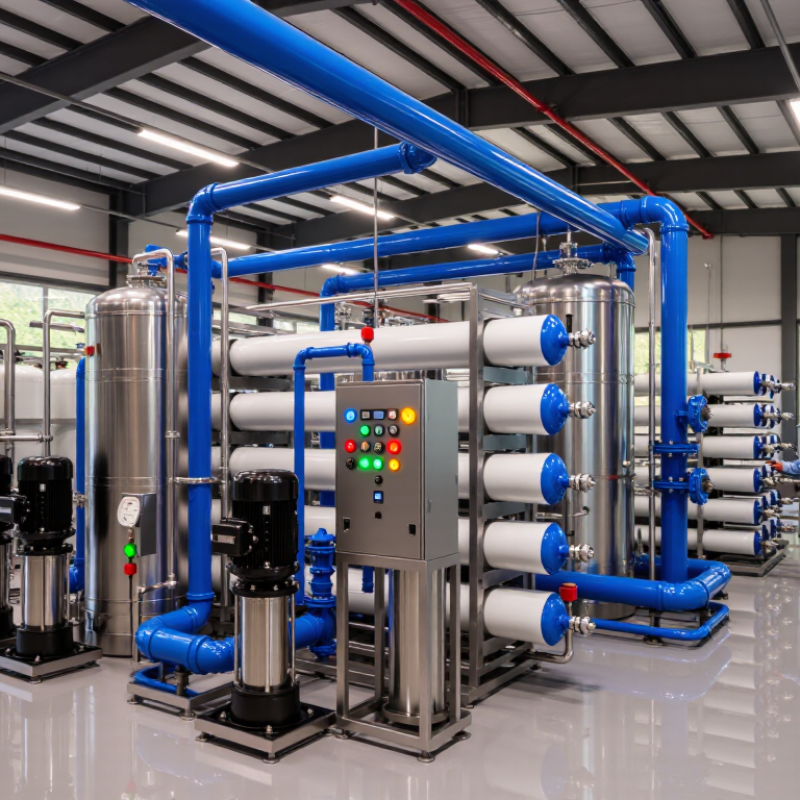
An RO water machine plant is a treatment system that removes dissolved salts, particles, and unwanted substances from water. It uses pressure to push water through semi-permeable membranes. Clean water passes through, while concentrated wastewater moves away. A complete plant usually includes pretreatment filters, high-pressure pumps, membrane vessels, control panels, storage tanks, and disinfection equipment.
The best manufacturers worldwide design systems for specific water conditions, not just impressive production rates. They test source water before selecting membranes and pumps. This matters because seawater, well water, and municipal water require different treatment strategies. In practical operation, operators must monitor pressure, conductivity, flow rate, and membrane fouling. A small reading change can reveal scaling or a damaged seal. Some plant designs look efficient on paper but become difficult to maintain.
Tips: Ask for a water analysis before choosing equipment. Check the membrane replacement process and spare-parts availability. Request clear energy-use data and treated-water specifications. Do not judge quality by plant size alone. A compact system may perform better when its design matches local conditions. Regular cleaning is essential, although cleaning schedules should follow actual water quality. One overlooked detail is operator training. Even reliable equipment can lose performance when settings are adjusted carelessly. The selection process also deserves reflection: the lowest purchase price may create higher maintenance costs later.
Typical RO Water Plant Recovery Rates by Feedwater Type
Recovery rate indicates the percentage of feedwater converted into treated permeate. Seawater RO commonly operates at about 35–45% recovery, brackish-water RO at about 60–85%, and municipal wastewater reuse systems at about 75–90%. Actual performance depends on feedwater quality, membrane configuration, pretreatment, scaling risk, and operating conditions.
Values shown are representative engineering design levels rather than company or brand data.
How RO Water Treatment Plants Are Designed and Classified
Reverse osmosis plants are designed around water chemistry, flow demand, and operating risk. The best manufacturers normally begin with a feedwater survey, not a catalog model. The source may be municipal water, a well, brackish water, or seawater. Each source changes pretreatment, membrane selection, pressure, and reject management.
Plant classification usually follows capacity and feedwater salinity. Small systems may produce below 50 cubic meters daily, while industrial plants can exceed 10,000 cubic meters daily. Brackish-water RO often operates at lower pressure than seawater RO.
The U.S. Bureau of Reclamation reports typical seawater RO energy use near 2.5–4.0 kWh per cubic meter, depending on recovery and equipment efficiency. Recovery commonly ranges from 35% to 50% for seawater systems. Higher recovery sounds attractive, but scaling risk rises quickly.
Designers also classify plants by operating mode. Skid-mounted units support quick installation, while containerized plants suit remote sites. Fixed plants allow deeper automation and larger chemical systems.
The World Health Organization reported that 2.2 billion people lacked safely managed drinking water in 2022, according to its 2024 drinking-water update. That gap makes reliability more important than impressive output claims.
A practical design includes cartridge filters, chemical dosing, pressure monitoring, conductivity alarms, and cleaning access. It should also measure concentrate flow continuously.
The classification is useful, but never perfect. A plant may be both brackish-water and containerized. Field conditions can expose weaknesses that laboratory figures miss.
That is why experienced buyers compare pilot data, membrane warranties, energy records, and maintenance access before selecting a plant manufacturer.
Key Criteria for Comparing Global RO Plant Manufacturers
Top RO Water Machine Plant Manufacturers Worldwide?
Comparing global RO plant manufacturers requires more than checking price or membrane output. The International Desalination Association reports global desalination capacity above 100 million cubic metres per day. That scale makes lifecycle performance increasingly important. Ask for verified recovery rates, specific energy consumption, and downtime records from similar water sources. A plant treating seawater needs different pretreatment than one treating municipal wastewater.
Energy deserves close attention. The International Energy Agency identifies water treatment as an energy-intensive activity, especially where pumping and desalination operate continuously. Compare kilowatt-hours per cubic metre under defined feedwater conditions. Request test data, not attractive estimates. Also examine turbidity limits, chemical dosing, membrane replacement intervals, and cleaning procedures. A low initial quote may hide expensive pretreatment or frequent shutdowns.
Water quality targets must match local needs. The UNESCO World Water Development Report 2024 states that agriculture accounts for roughly 70% of global freshwater withdrawals. Therefore, irrigation projects may prioritize stable recovery and operating cost, while drinking-water systems require tighter monitoring and certification. Check alignment with ISO 9001, ISO 14001, and applicable drinking-water standards. Ask whether remote monitoring records pressure, conductivity, flow, and salt rejection. These details expose weak engineering early. A polished case study is not enough. Site references, operator training, spare-parts availability, and response times matter. Some tenders still compare equipment without comparing service capability, which is an expensive oversight.