2025 Top Steel Beam Fabrication Techniques for Modern Construction
In the ever-evolving landscape of modern construction, the significance of advanced steel beam fabrication techniques cannot be overstated. As structures become increasingly complex and demands for efficiency and sustainability rise, the steel industry is tasked with innovating fabrication methods that meet these challenges. According to a report by Grand View Research, the global steel fabrication market was valued at approximately $125 billion in 2020 and is expected to grow at a compound annual growth rate (CAGR) of over 5% from 2021 to 2028. This growth underscores the need for enhanced practices that ensure high-quality production, reduced waste, and faster turnaround times.
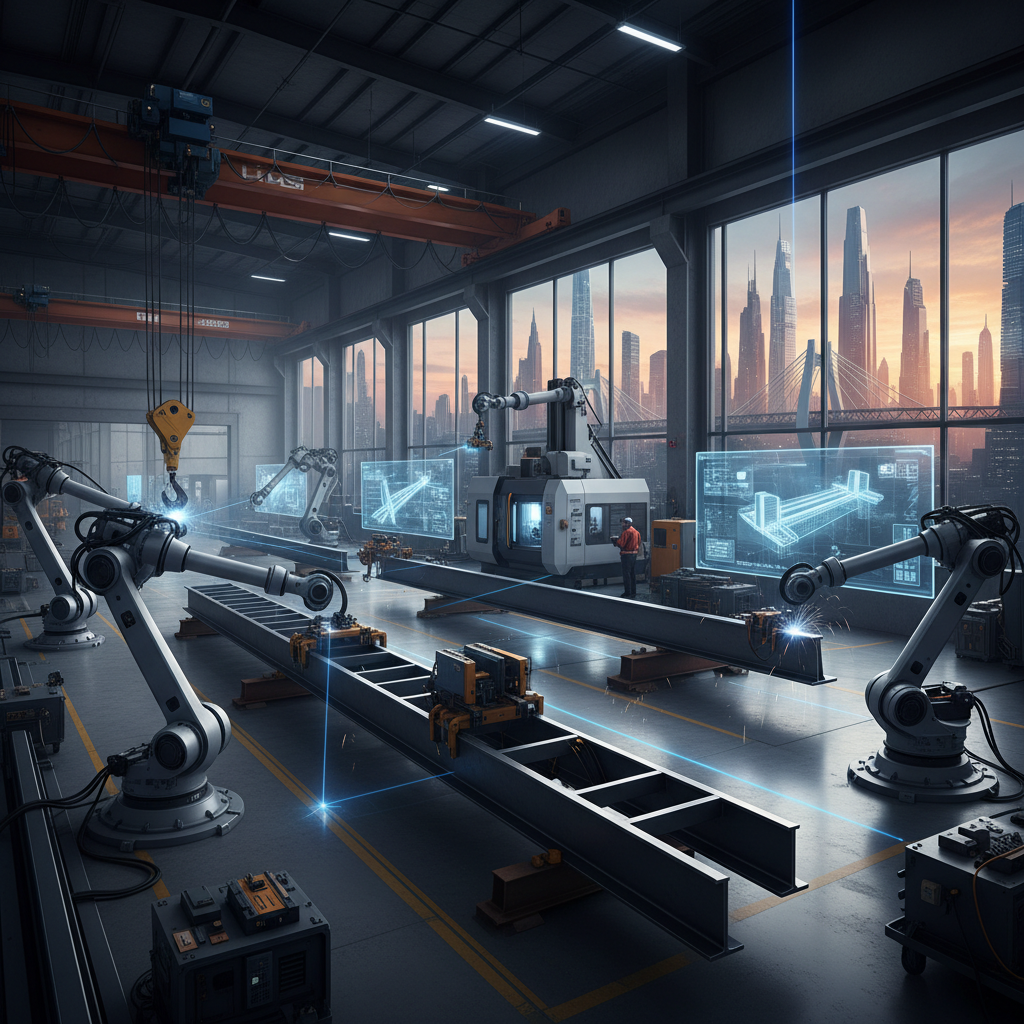
Steel beam fabrication is at the forefront of this transformation, with techniques being developed that leverage automation, robotics, and advanced material sciences. As highlighted in a study by the American Institute of Steel Construction (AISC), the adoption of modern fabrication technologies, such as CNC machining and 3D modeling, has not only improved accuracy but also minimized production costs and time. These innovations allow for intricate designs that were previously unattainable, making steel an indispensable material in the construction of skyscrapers, bridges, and other critical infrastructure.
As we examine the top steel beam fabrication techniques for 2025, it becomes clear that a blend of technology and skilled craftsmanship will pave the way for resilient, sustainable, and aesthetically pleasing structures that define the skyline of future urban environments.
Innovative Welding Techniques for Enhanced Steel Beam Durability
Innovative welding techniques are crucial for enhancing the durability of steel beams used in modern construction. Recent advancements in laser welding technology have shown significant promise in this regard, particularly with the development of dynamic beam laser systems. These systems have proven effective in welding thick steel sections, making them particularly beneficial for applications in shipbuilding. The integration of laser technology can significantly increase joint strength and provide more consistent results, which is vital for ensuring structural integrity in large-scale projects.
Moreover, ongoing research into the optimization of steel-aluminum joints highlights the need for evaluating the mechanical properties and corrosion resistance of these newly developed welds. Evaluations by various research institutions indicate that surface quality parameters are key to improving the long-term durability of welded joints. Such advancements in welding methodologies align with projected growth in the structural steel market, expected to surpass USD 188.63 billion by 2034, as industries increasingly prioritize sustainability and efficiency in modular construction practices.
Advanced Robotic Systems in Steel Beam Fabrication
The integration of advanced robotic systems in steel beam fabrication is revolutionizing modern construction processes. These robotic technologies streamline the production workflow, enabling faster and more precise cutting, welding, and assembling of steel beams. With the capability to operate continuously and with exceptional accuracy, robotic systems significantly reduce material waste and labor costs, fostering a more sustainable construction environment.
Moreover, robotic systems enhance safety in fabrication facilities. By taking over dangerous tasks, robotics minimize the risk of injuries to human workers. This shift not only improves overall safety standards but also allows skilled labor to focus on more complex and less hazardous aspects of the fabrication process. As the construction industry continues to evolve, the adoption of these cutting-edge technologies promises to redefine efficiency and quality in steel beam fabrication, paving the way for innovations in building practices and structural designs.
2025 Top Steel Beam Fabrication Techniques for Modern Construction
This chart illustrates the adoption rates of various advanced steel beam fabrication techniques in modern construction as of 2025. Robotic welding and CNC cutting are set to dominate the industry, while 3D printing is slowly gaining traction as technology evolves.
Smart Manufacturing Solutions for Real-Time Fabrication Adjustments
As the construction industry evolves, the integration of smart manufacturing solutions has become pivotal for enhancing steel beam fabrication techniques. In 2025, real-time fabrication adjustments emerge as a transformative approach, allowing manufacturers to adapt quickly to dynamic project requirements. Advanced robotics and AI-driven analytics play a crucial role in this process, enabling seamless communication between design teams and fabrication units. By leveraging data from ongoing projects, manufacturers can refine their processes, ensuring that each steel beam is produced to the precise specifications necessary for modern construction demands.
Moreover, with the implementation of IoT devices, manufacturers can monitor the fabrication process in real-time, detecting any discrepancies and addressing them instantly. This not only minimizes waste but also improves overall efficiency. Enhanced visualization technologies, such as augmented reality, allow workers to view designs and alterations in situ, facilitating quicker decision-making. As smart manufacturing solutions continue to shape the steel beam fabrication landscape, the ability to make real-time adjustments not only streamlines production but also fosters innovation, creating structures that meet the evolving needs of urban environments.
Sustainable Practices in Steel Beam Production for Eco-Friendly Construction
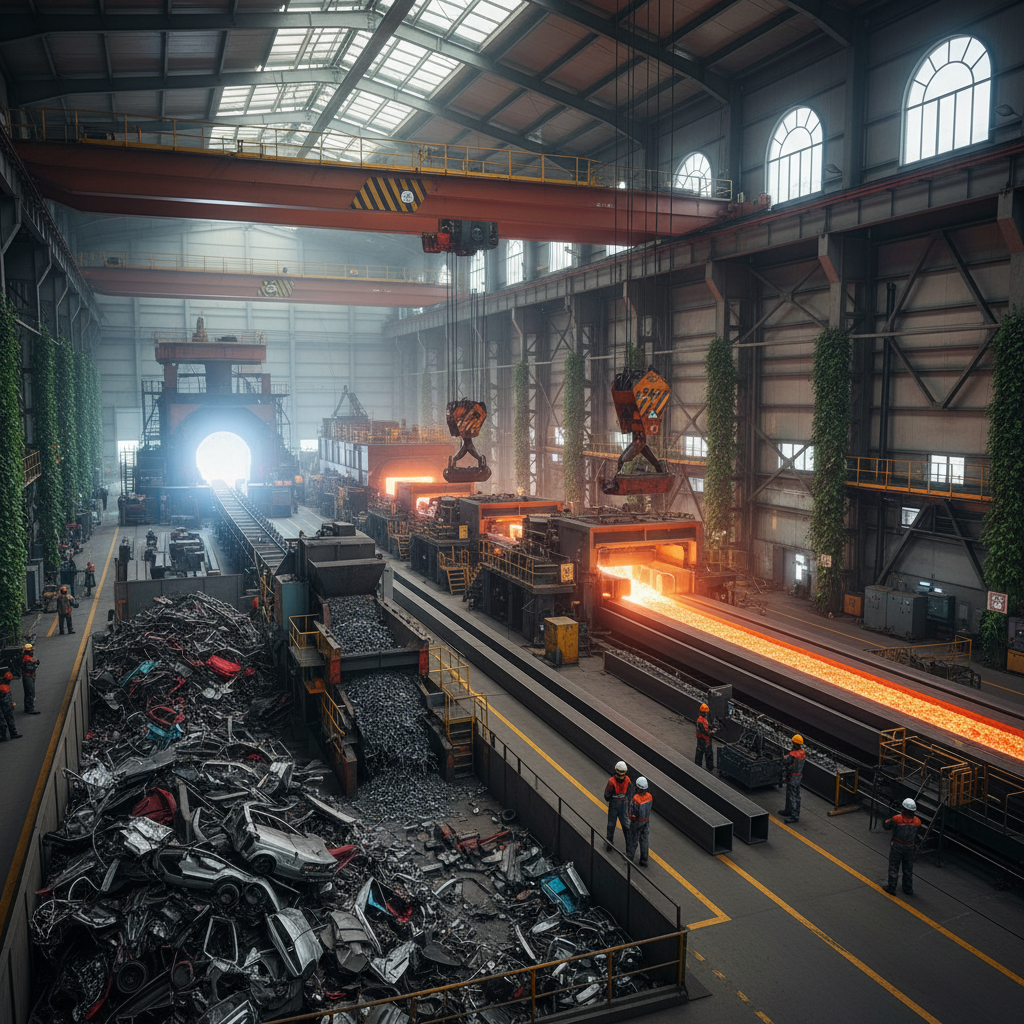
In the realm of modern construction, the demand for sustainable practices in steel beam production has become increasingly critical. As the industry seeks to reduce its carbon footprint, innovative techniques such as the use of recycled materials and energy-efficient manufacturing processes are gaining traction. By incorporating recycled steel into new beam fabrication, companies can significantly decrease the reliance on virgin resources, leading to a more sustainable supply chain. This approach not only conserves natural resources but also minimizes greenhouse gas emissions associated with traditional steel production.
Additionally, advancements in technology have paved the way for eco-friendly fabrication methods that prioritize sustainability. Techniques such as modular fabrication and lean manufacturing help optimize resource usage and reduce waste. By implementing precision cutting and automated processes, manufacturers can enhance efficiency, further supporting sustainable objectives. As builders increasingly prioritize eco-friendliness in their projects, the steel industry must continue to innovate and adopt practices that align with the broader goals of sustainable construction, ultimately contributing to a greener and more responsible built environment.
Advanced Design Software Streamlining Fabrication Processes
The advancement of design software plays a crucial role in streamlining steel beam fabrication processes within modern construction. As the industry evolves, companies are increasingly turning to sophisticated software tools that enhance precision and efficiency in fabrication. For instance, the integration of AI and advanced simulation capabilities enables designers to optimize structural designs, ensuring that steel beams meet specific loading requirements while minimizing material usage.
Recent collaborations in the tech sector highlight the importance of software innovation. Partnerships such as those between design solution providers and robotics developers are pushing boundaries in automation, enabling quicker and more accurate programming for complex manufacturing tasks. The projected growth of the generative design market, which is expected to expand significantly by 2030, underscores the growing dependence on advanced design tools in the fabrication of steel components. This not only improves fabrication timelines but also contributes to the sustainability goals by promoting resource-efficient designs.