Why is Welding Fabrication Essential for Modern Industries?
Welding fabrication plays a crucial role in modern industries. It combines art and science to create durable structures. From bridges to automobiles, welding is everywhere. This process ensures parts fit together seamlessly. Factories rely on it for assembling various components.
The precision of welding fabrication affects quality. A small error can lead to major failures. This reality requires skilled professionals. Despite advances in technology, human oversight remains vital. Training in welding techniques is essential. Workers must adapt to evolving methods.
Ignoring the importance of welding can be detrimental. Industries face risks without quality fabrication. It directly influences safety and efficiency. Therefore, investing in welding skills and technology is necessary. The future of industries hinges on successful welding fabrication.
Importance of Welding Fabrication in Contemporary Manufacturing Processes
Welding fabrication plays a crucial role in modern manufacturing. It is an essential process in sectors such as automotive, aerospace, and construction. According to a report from the American Welding Society, approximately 50% of fabricated metal products rely on welding. This highlights the significance of the process in creating durable and robust structures.
One example is the automotive industry. Vehicles are increasingly complex, with many parts designed for lightweight strength. Reports indicate that advanced welding techniques reduce vehicle weight by up to 20%. This not only improves efficiency but also enhances fuel economy. For aerospace, there’s no room for error. A single flaw can lead to catastrophic failures. Research shows that nearly 90% of aircraft components require welding. Metals must be perfectly joined to ensure safety without unnecessary weight.
However, the industry faces challenges. Skilled worker shortages are a significant concern. Many welders are retiring, and few are entering the field. Automation may help, but it cannot fully replace human expertise. Moreover, the rising demand for sustainable practices complicates matters. Companies must rethink their welding processes to reduce waste. This calls for innovation in materials and techniques to ensure they meet both quality standards and environmental regulations.
Welding Fabrication Importance in Modern Industries
Key Industries That Rely on Welding Fabrication Techniques
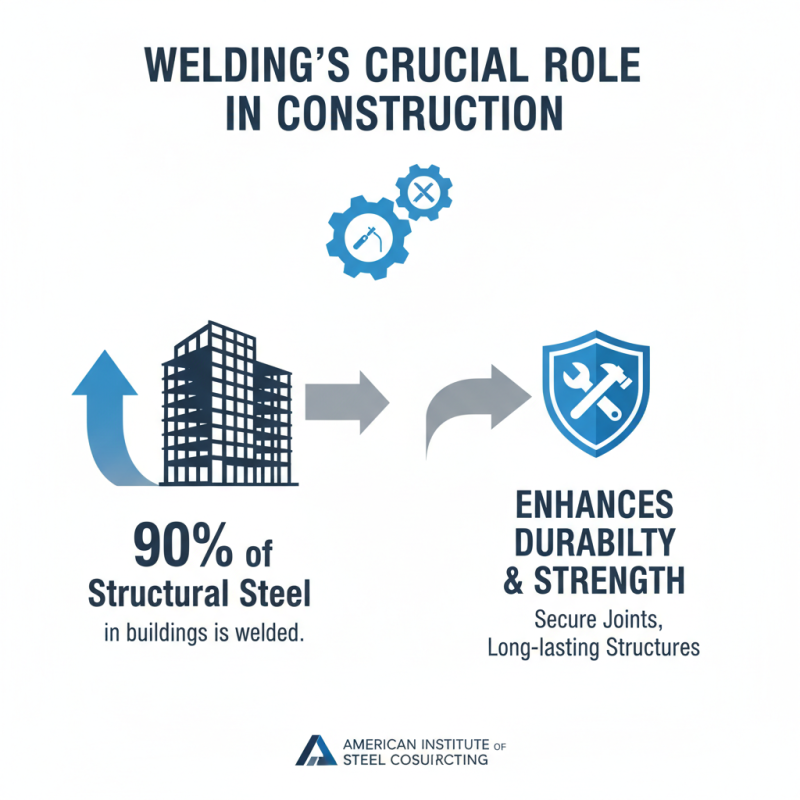
Welding fabrication plays a crucial role in several key industries. The construction sector relies heavily on welding techniques. According to the American Institute of Steel Construction, around 90% of all structural steel used in buildings is fabricated through welding. This process not only ensures strong joints but also enhances the durability of structures.
In the automotive industry, welding is vital. Over 60% of vehicle assembly relies on welding methods. Reports indicate that advancements in robotic welding have improved production efficiency. However, many manufacturers still encounter challenges in maintaining consistent quality. Skill gaps among workers can lead to defects, increasing long-term costs.
Furthermore, the aerospace sector significantly benefits from welding fabrication. Lightweight composite materials often require precise welding for structural integrity. A recent study highlighted that about 70% of modern aircraft components are welded. Still, the complexity of aerospace designs can pose difficulties. Continuous training and updated techniques are essential to improve outcomes.
Advantages of Advanced Welding Technologies in Industrial Applications
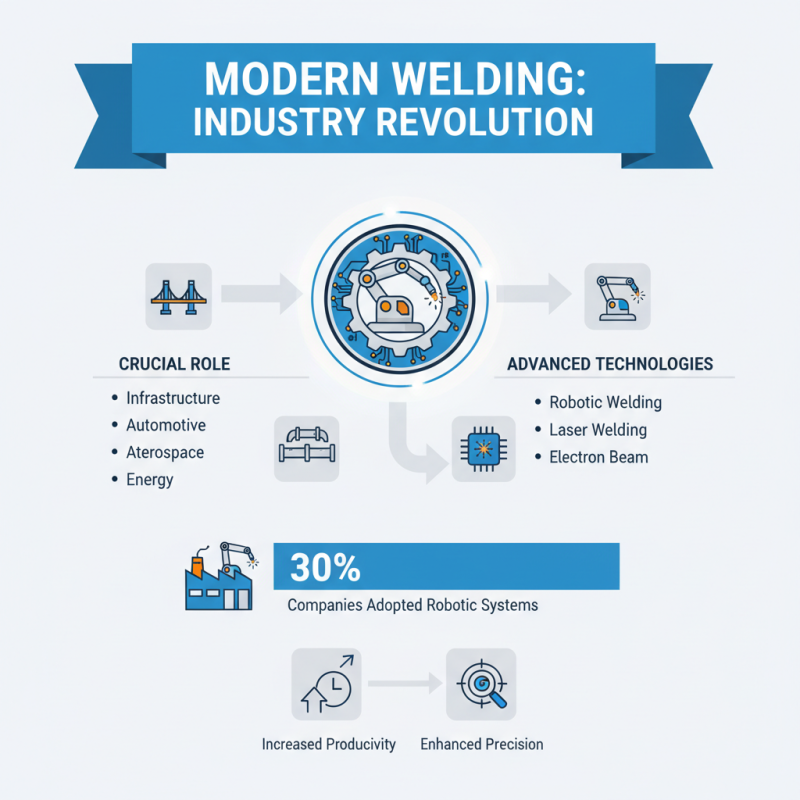
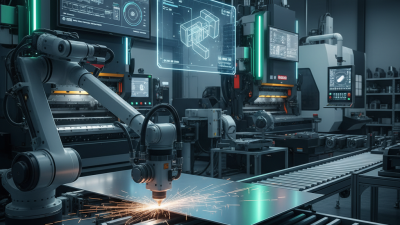
Welding fabrication plays a crucial role in modern industries. Advanced welding technologies are revolutionizing manufacturing processes. According to a recent industry report, 30% of companies have adopted robotic welding systems. This shift leads to increased productivity and precision.
For example, laser welding offers high accuracy. It minimizes heat distortion and reduces the need for post-weld treatment. However, the initial setup costs can be prohibitive for smaller manufacturers. Many are hesitant to invest, fearing they may not achieve a return on investment.
Moreover, while advanced techniques improve efficiency, they come with challenges. Skilled labor remains essential. Reports show a shortage of qualified welders, with 40% of employers struggling to find talent. This gap may hinder growth in sectors reliant on welding fabrication. Companies need to invest in training and education to bridge this divide.
The Role of Skilled Welders in Enhancing Fabrication Efficiency
Welding fabrication plays a vital role in various modern industries. Skilled welders are at the heart of this process. Their expertise ensures the creation of robust products. They understand materials, techniques, and safety protocols. This knowledge is crucial for achieving high-quality welds.
In many projects, accuracy matters. A skilled welder can make or break a fabrication project. They need to pay attention to every detail. Even minor mistakes can lead to structural failures. It's essential for welders to constantly improve their skills. They must adapt to new technologies as well. This adaptability can significantly enhance fabrication efficiency.
However, there are challenges in the field. Not all welders possess the same level of training. Some may lack experience with advanced techniques. This gap can slow down production times. Continuous training and education are necessary. The industry needs to support the growth of its workforce. Investing in skilled labor can lead to better outcomes for all.
Why is Welding Fabrication Essential for Modern Industries?
| Industry |
Fabrication Type |
Typical Applications |
Key Benefits |
| Construction |
Structural Welding |
Buildings, Bridges |
Strength, Durability |
| Automotive |
Body Formation |
Cars, Trucks |
Efficiency, Safety |
| Aerospace |
High-Precision Welding |
Aircraft Components |
Weight Reduction, Performance |
| Oil & Gas |
Pipe Welding |
Pipelines, Refineries |
Integrity, Safety |
| Manufacturing |
Fabrication Welding |
Machinery, Equipment |
Production Speed, Quality |
Future Trends in Welding Fabrication and Industry Innovations
Welding fabrication plays a critical role in modern industry, greatly influencing future trends. As technology advances, automated welding systems are becoming commonplace. These systems enhance precision and reduce human error. However, this shift raises questions about job displacement and the need for new skills.
Innovations such as additive manufacturing are changing traditional welding approaches. Techniques like laser welding are improving speed and accuracy. Yet, not all companies are adopting these technologies quickly. Many still rely on outdated methods, risking efficiency and competitive advantage. There's a fine line between tradition and innovation in this field.
Sustainability is becoming a focal point in welding fabrication. Eco-friendly materials and processes are more vital than ever. Industries are under pressure to minimize waste and reduce energy consumption. This shift can be challenging, as not all firms are prepared to invest in greener technologies. The balance between cost and environmental responsibility remains a crucial topic for discussion.