What Are the Top Metal Fabrication Companies Worldwide?
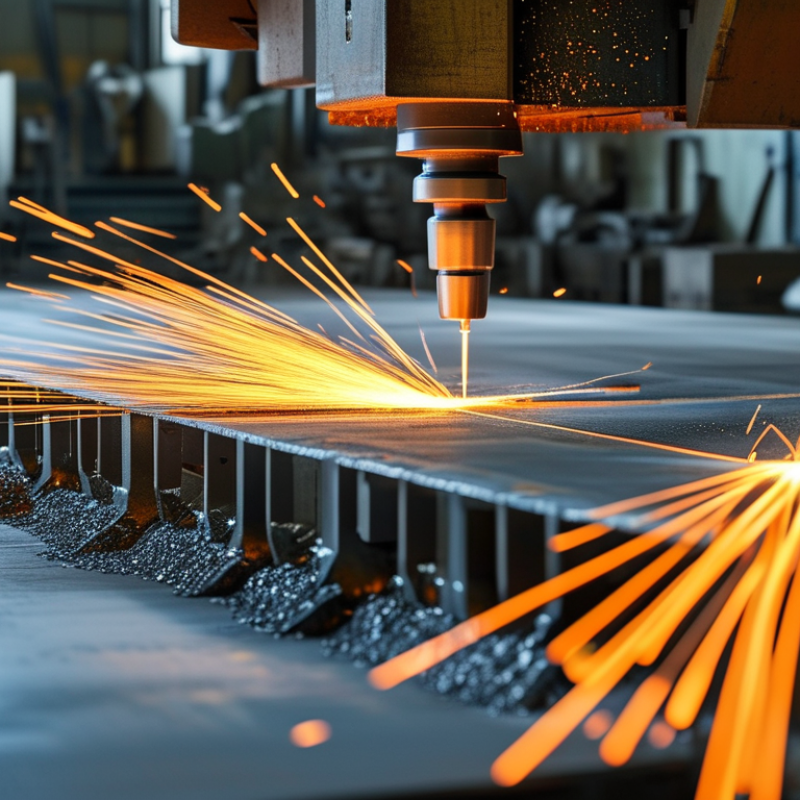
Metal fabrication sits behind the bridges, medical equipment, construction frames, and industrial machines used every day. It turns steel, aluminum, and other metals into precise, usable components. The work may begin with a flat sheet, a digital drawing, and a cutting table covered with fine metallic dust.
Industry data shows why this sector deserves careful attention. The World Steel Association reported approximately 1.89 billion tonnes of crude steel production worldwide in 2023. Grand View Research also estimated strong growth in the global metal fabrication services market, supported by construction, transportation, energy, and manufacturing demand. These figures reveal scale, but they do not identify the best companies by themselves. Capacity can hide quality problems. Revenue can hide weak delivery performance.
Edwin Basson, Director General of the World Steel Association, has described steel as “a fundamental material for our society.” His observation also applies to fabrication. Reliable suppliers must combine material knowledge, certified welding, automated cutting, corrosion control, and dependable inspection records. Safety and traceability matter as much as speed.
This guide examines leading metal fabrication companies worldwide through practical criteria. These include production capacity, engineering expertise, international reach, sustainability efforts, and documented quality systems. Rankings are never perfect. A large contractor may outperform a smaller specialist in one project, then struggle in another. That limitation deserves attention, not polite omission. The strongest companies usually show consistent results where drawings become welded frames, polished panels, or field-ready structures.
Defining Metal Fabrication and Its Role in Global Industry
Metal fabrication is the controlled process of turning metal into useful structures, components, and equipment. It commonly includes cutting, bending, forming, welding, machining, and surface treatment. Each step changes the material while preserving required dimensions and strength. On a shop floor, a steel plate may become a machine frame, enclosure, bridge section, or pressure-resistant component.
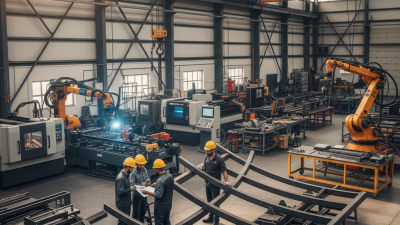
Its role in global industry is practical and extensive. Fabricated metal supports construction, transportation, energy, agriculture, medical equipment, and industrial automation. Production teams follow technical drawings, material specifications, weld procedures, and inspection plans. Measuring tools check hole locations and thicknesses. Visual inspections identify surface damage, distortion, or incomplete joints. More demanding work may require ultrasonic, radiographic, or other non-destructive testing.
Quality depends on more than skilled hands. Material traceability, calibrated equipment, ventilation, worker training, and documented checks all matter. A small dimensional error can delay assembly or weaken a finished structure. That risk is easy to underestimate. Design assumptions can also fail when heat causes warping or when supply changes affect material consistency. Responsible fabricators therefore review tolerances, test critical joints, and communicate problems early. The industry still has room to improve, especially in reducing waste, energy use, and avoidable rework. Practical judgment remains essential.
Criteria for Comparing Metal Fabrication Companies Worldwide
Comparing metal fabrication companies worldwide requires more than checking equipment lists or production claims. I would examine verified capacity, material range, dimensional tolerance, and delivery performance. A fabricator handling 1,000 laser-cut brackets differs greatly from one producing heavy welded frames. The World Steel Association reported global crude steel production of about 1.88 billion tonnes in 2023. This scale makes supply-chain control a practical comparison point. Ask how each company manages alloy certificates, heat numbers, inspection records, and backup suppliers.
Quality systems offer stronger evidence than polished websites. The ISO Survey 2023 recorded more than 1.26 million ISO 9001 certificates worldwide. Certification alone does not guarantee excellent workmanship. Request recent nonconformance rates, corrective-action examples, and sample inspection reports. Also compare welding qualifications, calibration schedules, surface-treatment controls, and traceability from raw sheet to finished part. A useful supplier should explain tolerances clearly, not hide behind vague words like “premium quality.”
Sustainability and resilience deserve equal attention. The International Energy Agency estimates that steel production creates roughly 7–9% of global energy-related emissions. Compare electricity sources, recycled content, scrap recovery, and emissions reporting. Review lead-time data across normal and disrupted periods. Price is important, but an inexpensive quote can become costly after rework, delays, or freight changes. I would score suppliers with weighted criteria, though the weighting remains subjective. A ranking can still mislead. On-site audits, production samples, and conversations with engineering staff often reveal more than spreadsheets.
Key Services, Technologies, and Industries They Support
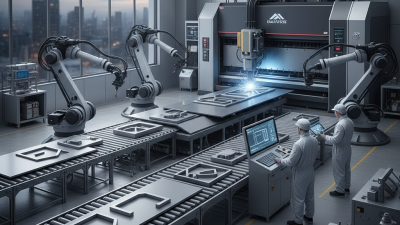
Leading metal fabrication companies support complex projects through integrated services, advanced technologies, and controlled production systems. Their work often begins with design review, material selection, and rapid prototyping. Services may include laser cutting, CNC machining, press braking, robotic welding, surface finishing, and final assembly. Accuracy matters.
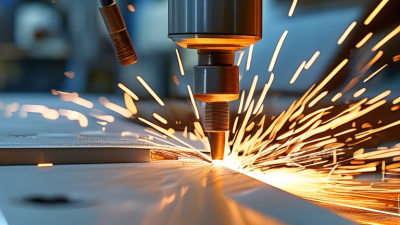
Modern facilities use fiber lasers for clean cuts in steel, aluminum, and stainless steel. Automated bending cells improve repeatability across large production runs. Coordinate measuring machines verify hole positions, angles, and critical dimensions. Digital production records also improve traceability from raw sheet to finished component.
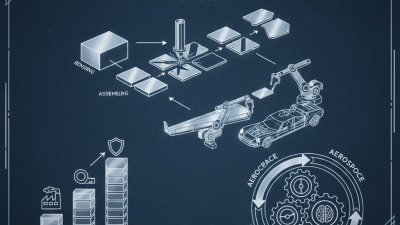
These capabilities serve construction, automotive, aerospace, medical equipment, energy, and industrial machinery manufacturers. A structural frame may require heavy plate cutting and certified weld inspection. A medical enclosure may need smooth edges, controlled finishes, and strict cleanliness. Aerospace parts demand lightweight alloys, documented processes, and careful non-destructive testing.
Experienced fabricators often combine engineering support with flexible manufacturing. They review drawings for weak joints, difficult bends, and unnecessary material use before production begins. However, no system removes every risk. Tight tolerances can increase costs, while rushed design changes may create avoidable rework. Smaller suppliers may also struggle with capacity during sudden demand. Transparent communication, realistic schedules, and inspection evidence remain essential when comparing global fabrication partners.
Factors to Consider When Choosing a Metal Fabrication Company
Choosing a metal fabrication company starts with technical fit, not an attractive website. A polished website is not proof of reliable production. Review its experience with your material, thickness, tolerances, and final application. A workshop experienced in stainless steel may not handle structural aluminum equally well.
Ask for evidence of quality control. This may include material certificates, welding procedures, inspection records, and dimensional reports. Confirm whether technicians follow recognized industry standards. Traceability matters when several metal batches enter one project. Request a sample part or arrange a workshop visit. Small details often reveal larger habits.
Production capacity also deserves careful attention. Check the company’s cutting, bending, machining, welding, and finishing equipment. Confirm realistic lead times, minimum order quantities, and backup plans for equipment failure. Clear drawings reduce expensive misunderstandings. However, even accurate drawings can miss installation problems. A capable fabricator should raise questions before cutting metal, not after delivery.
Communication can decide whether a project stays on schedule. Identify one technical contact and agree on update intervals. Ask how revisions, rejected parts, and urgent changes are documented. Pricing should show labor, materials, finishing, packaging, and transport separately. The cheapest quotation may hide weak inspection or costly rework. I have found that dependable suppliers admit limitations early. That honesty is valuable. A short trial order can test workmanship, communication, packaging, and delivery accuracy before larger commitments.