
Why Choose Custom Steel Fabrication for Global Projects?
Global projects rarely fail because steel lacks strength. They fail when design, fabrication, shipping, and site conditions are treated as separate problems. Custom steel fabrication connects these stages through one controlled process. It can support bridges, industrial platforms, warehouses, energy facilities, and architectural structures across demanding environments.
An experienced fabricator studies more than engineering drawings. The team reviews load paths, connection details, coating requirements, lifting points, and container dimensions. A laser-cut plate may look ready, yet a small hole-position error can delay an entire installation. Weld maps, inspection records, mill certificates, and dimensional reports create traceable evidence. They also help engineers and contractors make confident decisions across different countries and project teams.
Consistency matters.
Reliable suppliers use qualified welders, calibrated equipment, documented inspections, and practical quality-control procedures. They coordinate with structural engineers before production, not after problems appear on site. However, no fabrication plan is perfect at its first draft. Weather, port congestion, material availability, or an overlooked tolerance can change the schedule. Strong partners acknowledge these risks early and prepare workable alternatives. This honesty is part of professional reliability.
Choosing custom steel fabrication means choosing a coordinated project approach, not merely ordering metal components. The right partner combines technical experience, transparent communication, and respect for regional requirements. When each beam, bracket, and connection is planned for its final destination, global construction becomes more predictable, safer, and easier to manage.
What Custom Steel Fabrication Means for Global Projects
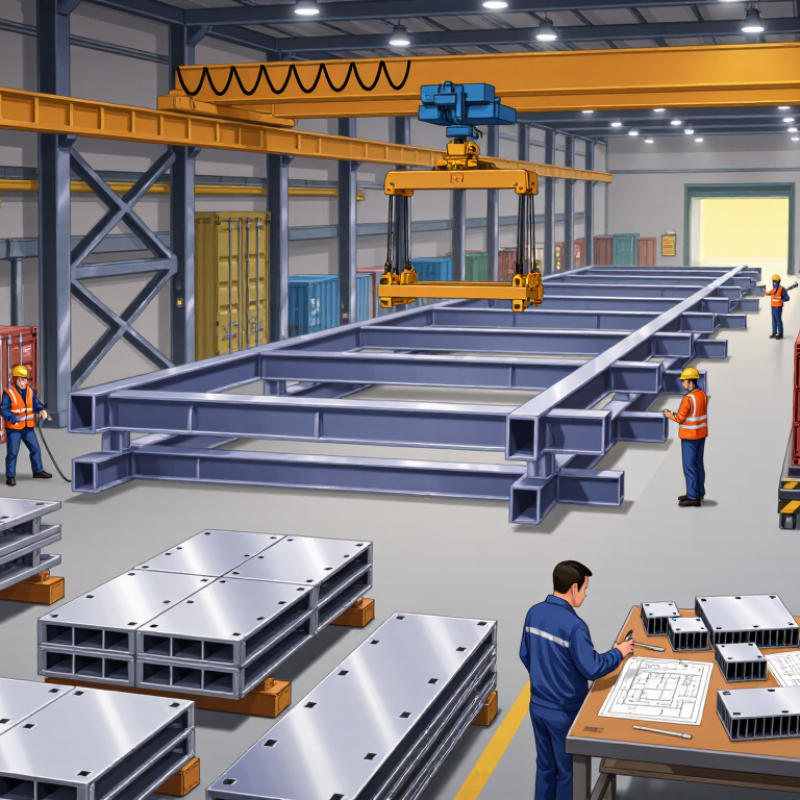
Custom steel fabrication for global projects means building steel around real site conditions, not forcing every location into one template. Engineers review loads, connection details, transport limits, local standards, and available installation tools. That review may change plate thickness, hole positions, weld access, or assembly sequence. Small decisions matter.
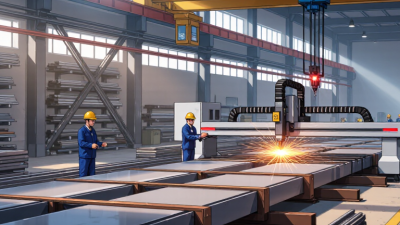
On a remote project, a misplaced opening can delay cranes, crews, and several shipments. Fabricators therefore use controlled cutting, qualified welding procedures, dimensional checks, and material certificates. Photographs, inspection records, and revision histories help owners verify what was made and why. These records also support communication across languages, time zones, and approval systems.
Protection against corrosion must match the route and climate. Steel crossing salty air needs different preparation from steel installed in a dry inland plant. Packaging deserves equal attention; sharp edges, moisture, and poor lifting points can damage finished work. Experienced teams test-fit critical assemblies before shipment when access allows. That step costs time, but overseas rework usually costs more. Still, no plan is perfect. A drawing may omit a field obstruction, or a local crew may use a different lifting method. Good fabrication leaves room for controlled adjustment without sacrificing strength or traceability. Clear questions, honest reporting, and documented changes often protect the schedule better than confident assumptions.
| Project Dimension | Reference Data | What It Means for Global Projects | Fabrication Implication |
|---|---|---|---|
| Material Strength | S355 structural steel has a minimum yield strength of 355 MPa for common thicknesses up to 16 mm under EN 10025-2. | Design teams can select a widely recognized structural grade while meeting regional engineering requirements. | Material certificates, heat numbers, and traceability records should be maintained from purchasing through final delivery. |
| North American Material Reference | ASTM A572 Grade 50 specifies a minimum yield strength of 345 MPa and a minimum tensile strength of 450 MPa. | Projects using different regional specifications can compare strength requirements before approving substitutions. | Equivalent grades should never be treated as automatically interchangeable; chemistry, toughness, thickness, and design code requirements must also be checked. |
| Fastener Performance | Property class 8.8 metric bolts have a nominal tensile strength of 800 MPa and a nominal yield ratio of 0.8. | Using a clearly defined fastener class helps prevent connection problems when components cross borders. | Drawings and inspection plans should state bolt class, coating, tightening method, washer requirements, and applicable connection standard. |
| Dimensional Coordination | The exact conversion is 1 inch = 25.4 mm; 1 foot = 304.8 mm; and 1 kip-force = 4.44822 kN. | A controlled unit system reduces errors between metric and imperial design teams, suppliers, and site contractors. | Use one controlled set of fabrication drawings and show any converted dimensions with appropriate rounding rules. |
| Container Planning | A typical 20-foot dry container has an internal length of about 5.90 m, width of 2.35 m, and height of 2.39 m. Actual dimensions vary by equipment. | Early packing studies can identify oversized members before fabrication is complete. | Break large assemblies into transportable modules and confirm payload, door opening, center of gravity, and securing requirements with the carrier. |
| Corrosion Protection | ISO 12944 classifies corrosivity environments from C1, very low, to C5, very high, with CX used for extreme environments. | Coating selection can be matched to marine, industrial, coastal, or offshore exposure instead of using one coating system for every location. | Specify surface preparation, coating system, dry-film thickness, inspection points, repair procedures, and environmental limits. |
| Welding Quality | ISO 3834 provides quality requirements for fusion welding of metallic materials, including quality levels based on project needs. | A documented welding-quality system creates a consistent acceptance framework for work performed in different countries. | Require approved welding procedures, qualified welders, consumable control, weld maps, visual inspection, and non-destructive testing where specified. |
| Structural Execution | EN 1090-2 defines technical requirements for the execution of steel structures, including fabrication, assembly, and inspection provisions. | Using a recognized execution framework helps align shop production with structural design and site-installation expectations. | Project specifications should identify the applicable execution class, inspection level, tolerances, documentation, and CE-marking requirements where relevant. |
| Quality Documentation | Common traceability records include material certificates, welding procedure qualifications, welder qualifications, inspection reports, coating reports, and packing lists. | Complete records support customs clearance, site acceptance, audits, maintenance, and future modifications. | Build a document register at project start and link each certificate to the relevant part, assembly, heat number, or shipping package. |
| Production Lead-Time Planning | A practical planning allowance for engineered steelwork is often 6–12 weeks from approved drawings to shipment, depending on complexity, quantity, testing, and logistics. | Custom fabrication can be scheduled around international shipping windows and site installation milestones. | Freeze design inputs early, separate long-lead materials from standard items, and include time for review comments, inspection, coating, packing, and export documentation. |
| Modular Assembly | Shop assembly can verify fit-up before shipment, while field bolting generally requires less site work than extensive field welding. | More controlled workshop work can reduce weather exposure, elevated-work activities, and site congestion. | Design splice locations, lifting points, temporary supports, bolt access, tolerances, and module weights before fabrication begins. |
| Inspection and Testing | Common non-destructive testing methods include visual testing, magnetic particle testing, ultrasonic testing, and radiographic testing. | Inspection can be selected according to joint type, risk level, design code, and service conditions. | Define inspection percentages, acceptance criteria, test personnel qualifications, reporting format, and repair or re-test procedures in the inspection and test plan. |
| Planning note: Reference values are for early project coordination. Final material grades, dimensions, tolerances, coating systems, inspection levels, and delivery schedules must be confirmed against the applicable design code, approved drawings, contract specification, and transport plan. | |||
Related Posts
-
How to Find Reliable Custom Steel Fabrication in 2026?
-
How to Choose a Custom Steel Fabrication Company
-
What Is Steel Fabrication and How Does It Work?
-
Top China Online Steel Fabrication Suppliers?
-

Top Custom Steel Fabrication Trends to Watch in 2025: What You Need to Know
-

How to Choose the Best Custom Steel Fabrication Services?