10 Best Custom Metal Fabrication Companies for Buyers
Choosing a custom metal fabrication partner can shape a project’s cost, schedule, and final performance. The right shop does more than cut and weld. It reads drawings carefully, flags practical concerns, and explains how materials and processes affect the result. A small tolerance issue can change how parts fit during assembly. It matters.
Buyers should compare more than polished websites or attractive project photos. Look for relevant capabilities, such as laser cutting, forming, machining, welding, and finishing. Check whether the company handles prototypes, repeat production, or both. Ask how it manages quality checks, delivery updates, and design changes. Clear answers are useful. Vague promises are not.
This guide presents ten custom metal fabrication companies for buyers to consider. It focuses on factors that can be assessed before requesting a quote: service range, industry experience, communication, and production fit. A supplier with advanced equipment may still be wrong for a small, specialized order. Likewise, the lowest quote may leave out finishing, packaging, or other important details. The comparison is not a substitute for reviewing specifications or speaking directly with each shop. No shortlist is perfect. Use it to narrow the field, then confirm details against your own drawings, volume, material requirements, and deadline. A careful conversation can reveal more than a brochure. Sometimes, the best question is whether the supplier will point out a problem before production begins.
Define Custom Metal Fabrication: Materials, Processes, and Applications
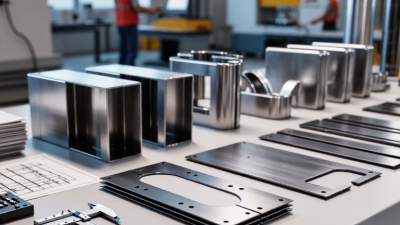
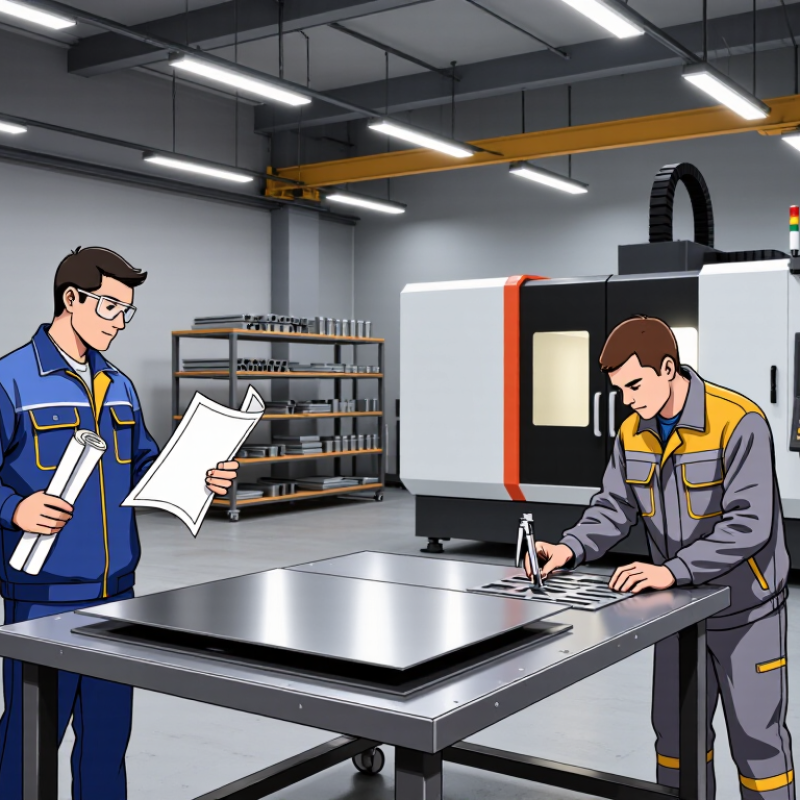
Custom metal fabrication turns raw stock into parts made for specific dimensions, loads, and working conditions. Material selection affects strength, weight, corrosion resistance, and cost. Carbon steel suits sturdy frames and brackets, while aluminum can reduce weight in enclosures or transport equipment. Stainless steel often works well in damp or washdown settings. Copper and other alloys serve applications that need particular electrical or thermal properties. No material is ideal for every job. A fabricator should consider the part’s environment, expected service life, and how it will connect to neighboring components.
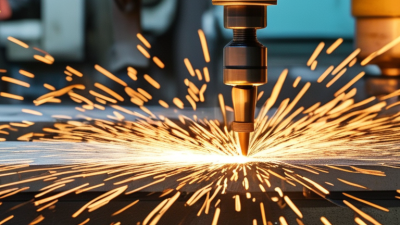
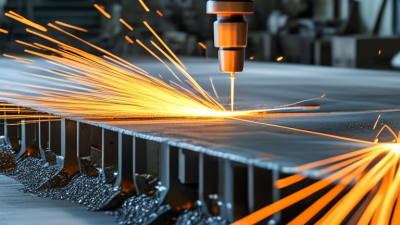
Common processes include cutting, bending, machining, welding, and finishing. Laser cutting can create precise profiles, while press brakes form flat sheets into channels, panels, or guards. Welding joins pieces, but heat may cause distortion, so fit-up and inspection matter. Small details matter. A hole placed too close to an edge can weaken a part or complicate assembly. Applications range from machine bases and cabinets to handrails, ductwork, and custom fixtures. Buyers can share drawings, tolerances, quantities, and finish requirements before requesting a quote. Still, early drawings may leave out real-world constraints; reviewing a sample or prototype can reveal fit issues before full production.
Set Buyer Criteria: Capacity, Lead Time, Certifications, and ISO 9001
Choosing a metal fabrication partner starts with a clear picture of the job. List the material, dimensions, tolerances, finish, and expected order volume. A shop with impressive equipment may still lack capacity for your monthly demand. Ask which machines will handle the work and whether production slots are available. Capacity matters.
Lead time needs detail, too. Request separate estimates for sampling, production, inspection, and shipping. A quoted four-week schedule can hide a long approval stage. Ask how the supplier handles material shortages or a rejected first article. Realistic answers are more useful than optimistic promises. Your drawings should also specify inspection points, especially for hole locations and formed angles.
Tips: Request a sample inspection report and verify that listed certifications are current and relevant to the work. ISO 9001 indicates a quality-management system, not a guarantee that every part will meet your specification. Check how nonconforming parts are documented and corrected. Compare the same requirements across suppliers; otherwise, price and lead-time comparisons can mislead. One criterion may need adjustment after the first production run. That is worth discussing openly.
10 Best Custom Metal Fabrication Companies for Buyers
A practical buyer scorecard: capacity, lead time, certifications, and ISO 9001.
Example scorecard weights selected for this chart—not measured supplier data or an industry benchmark. Adjust them to fit your project. Assess capacity against your required volume and equipment needs, verify lead times against your schedule, and confirm relevant certifications. ISO 9001 is a quality management system standard; verify a supplier’s certificate and scope directly.
Compare 10 Fabricators by Welding Qualifications under AWS D1.1
When comparing 10 custom metal fabricators, treat AWS D1.1 qualifications as evidence to verify, not a marketing label. The code covers structural steel welding and sets requirements for welding procedures and personnel qualification. Ask each shop for relevant procedure qualification records, welder qualification records, and continuity logs. Check that the documents match your material, thickness, process, and project scope. Details matter.
The American Welding Society’s workforce data projects that the United States will need about 330,000 additional welding professionals by 2028. That forecast makes documented skills and consistent quality controls especially important for buyers. Compare how each fabricator handles inspection, traceability, and corrective work, not just whether certificates are available. A tidy certificate packet can still leave questions. Ask who reviews welds, how nonconformances are recorded, and whether inspection reports can be tied to specific parts or weld locations. For a steel frame, that might mean matching a weld map to stamped inspection records. Requirements vary by job, so confirm the applicable code edition and acceptance criteria with the project engineer. Don’t assume every D1.1-qualified welder has experience with your exact assembly.
Evaluate Part Specifications Using ISO 2768 Tolerance Classes
When comparing custom metal fabrication companies, read the tolerance notes before judging a quote. ISO 2768 classes set general limits for dimensions left unspecified on a drawing. For linear and angular dimensions, common designations are fine, medium, coarse, and very coarse. The drawing should state the applicable class and standard reference. Do not assume every supplier interprets an incomplete note the same way.
Check critical features separately. A mounting hole pattern, bearing seat, or mating tab may need a tighter tolerance than the general class provides. Mark those dimensions directly, and identify datums where position or alignment matters. A laser-cut profile might hold one range, while a formed bend introduces variation from material thickness and tooling. Ask how the supplier measures each feature. Calipers may suit a simple edge; a coordinate measuring machine may be needed for complex locations. Small detail. It matters.
Request a sample inspection report or a first-article check for parts with close-fitting interfaces. Compare the reported measurements with the drawing, not just the stated tolerance class. Also ask whether finishing, welding, or heat can shift dimensions. A tighter class is not automatically better; it can increase cost or make production less stable. Sometimes the drawing itself needs another look. Clear specifications give buyers a fairer basis for comparing capability, price, and inspection plans.
Rank Quotes by Unit Cost, Minimum Order Quantity, and Delivery Performance
Compare custom metal fabrication quotes on equal drawings, tolerances, material grades, finishes, and annual volumes. Calculate landed unit cost, including tooling, setup, inspection, packaging, and freight. Record minimum order quantity separately: a cheaper part may tie up cash in unused stock. Keep the math visible. A simple scorecard can rank cost, MOQ, and delivery performance, but buyers should set weights before reviewing suppliers.
Delivery deserves evidence, not reassurance. Deloitte and the Manufacturing Institute’s 2024 workforce study estimated that 3.8 million manufacturing jobs may be needed by 2033, with 1.9 million potentially unfilled. That pressure can affect shop capacity and lead times. Ask for dated production milestones, recent on-time delivery rates, and the number of late orders behind each rate. MHI’s 2024 Annual Industry Report found that 88% of respondents expected digital supply chains to become predominant by 2027. Requesting timestamped status updates is practical; it is not proof that parts will arrive on time.
For a sample order, compare promised ship dates with actual receipt dates, including partial shipments. Check whether the supplier reports delays consistently. This is not perfect. A short delivery history can distort a percentage, while a complex first article may take longer than repeat work. Note those limits beside the score, rather than quietly adjusting the ranking.